BMI Calculator vs. Body Fat Monitor: Why Both Matter for Your Health
Learn how combining BMI calculations with body fat monitors gives a clearer picture of your health. Discover the pros and cons of each tool and how to use them wisely.
The Dominance and Limitations of BMI
The Body Mass Index (BMI) calculator has long been the go-to tool for assessing weight-related health risk. Simple and free, it uses only height and weight to estimate body fatness. But BMI was never designed for individual diagnosis; it was developed for population studies. Its key limitation is that it cannot distinguish between fat mass and lean mass. A muscular athlete may have a high BMI and be labeled overweight or obese, while someone with low muscle and high fat can have a normal BMI yet be metabolically unhealthy. This disconnect has led many health experts to call for a more nuanced approach.
Why BMI Still Has a Place
Despite its flaws, BMI remains useful as a quick screening tool. It is inexpensive, requires no special equipment, and correlates reasonably well with body fatness at the population level. For most sedentary people, a high BMI does indicate excess body fat. Public health agencies still use BMI to identify trends and allocate resources. But for personal health tracking, BMI alone is often insufficient.
Enter the Body Fat Monitor
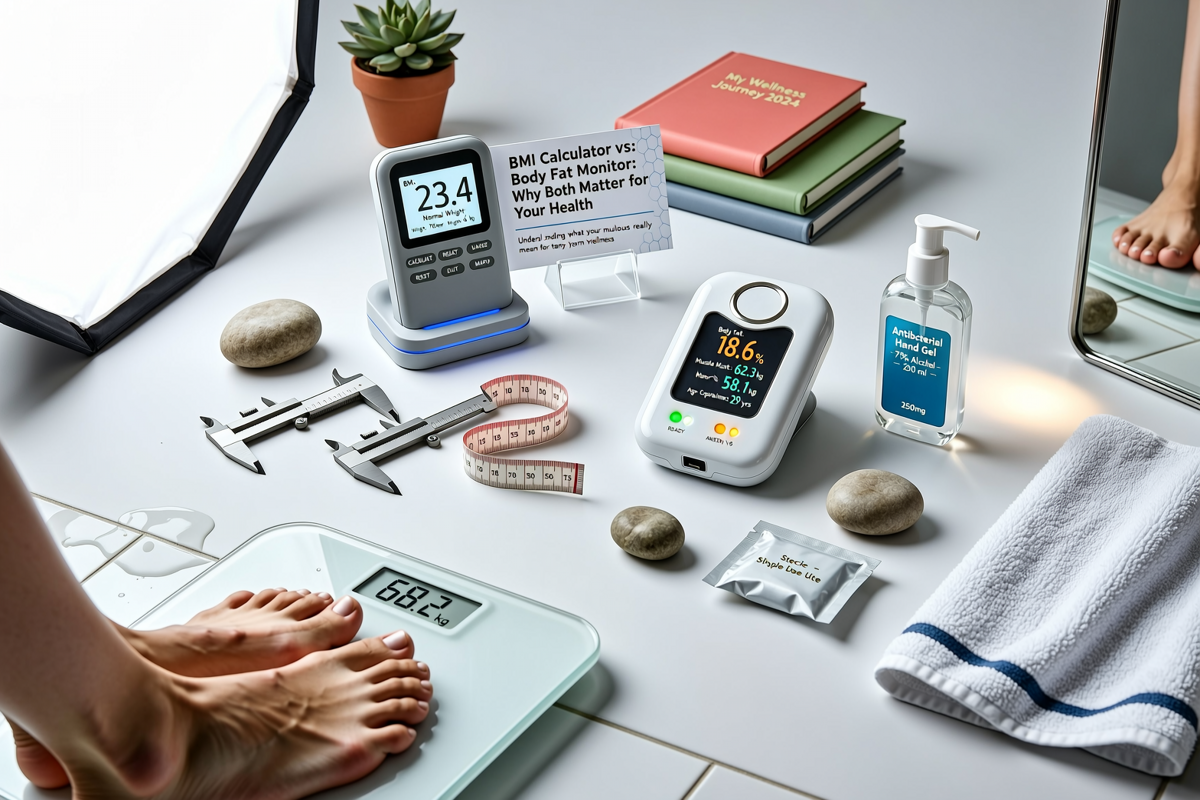
Body fat monitors offer a more direct measurement of body composition. These devices come in many forms: bioelectrical impedance analysis (BIA) scales, handheld monitors, skinfold calipers, and even DEXA scans. BIA devices, the most common consumer version, send a low electrical current through the body and measure resistance to estimate fat and lean mass. While not as accurate as lab methods, they provide a useful baseline for tracking changes over time.
The Advantages of Body Fat Percentage
Knowing your body fat percentage gives a clearer picture of your health than weight or BMI alone. Two people with the same BMI can have vastly different health outcomes based on their body composition. A body fat monitor helps set realistic goals: losing fat while preserving muscle, gaining muscle without excess fat. Athletes and fitness enthusiasts rely on these numbers to optimize performance. For those on a weight loss journey, tracking body fat can be more motivating than the scale, as muscle gain may offset weight loss.
How to Use Both Tools Together
The best approach is to use BMI as a broad indicator and body fat monitors for deeper insight. Start with your BMI to categorize your weight status. If you fall into the overweight or obese range, a body fat monitor can confirm whether that weight is due to fat or muscle. If you have a normal BMI but suspect you may have high body fat (often called normal-weight obesity), a monitor can reveal the truth. For individuals aiming to improve body composition, track both metrics monthly under consistent conditions (same time of day, hydration level, and posture).
Limitations of Consumer Body Fat Monitors
Not all body fat monitors are created equal. BIA scales are sensitive to hydration, recent exercise, and food intake. Accuracy varies between brands and models. Skinfold calipers require skill and are less practical for daily use. Even with these limitations, the trend information over time can be valuable. For the most accurate readings, consider professional assessments like DEXA or hydrostatic weighing once or twice a year, and use your home monitor for regular tracking.
Practical Tips for Accurate Measurements
- Consistency is key: Measure at the same time of day, preferably in the morning before eating or drinking, and after using the bathroom.
- Hydration control: BIA devices are sensitive to water balance. Try to have similar hydration levels each time.
- Avoid exercise before measurements: Intense workouts can temporarily change body water distribution and affect readings.
- Use the same device: Different monitors use different algorithms; stick to one for trending.
- Don't obsess over daily changes: Body water fluctuates; look at weekly or monthly averages.
Conclusion: A Balanced View of Body Composition
The BMI calculator is a starting point, not a final verdict. Body fat monitors provide the details needed for a personalized health strategy. Neither tool is perfect, but together they offer a more complete picture. Whether you are an athlete fine-tuning performance or someone starting a health journey, understanding both BMI and body fat percentage empowers you to make smarter decisions. The goal is not just a number on the scale, but a healthier, stronger body. Use these tools as guides, not absolutes, and always consult with a healthcare professional for personalized advice.