Equol: The Gut Metabolite Transforming Women's Health
Equol, a gut-derived metabolite of soy isoflavones, offers powerful benefits for menopause, bone health, and hormonal balance. Discover how to become an equol producer.
What Is Equol and Why Does It Matter?
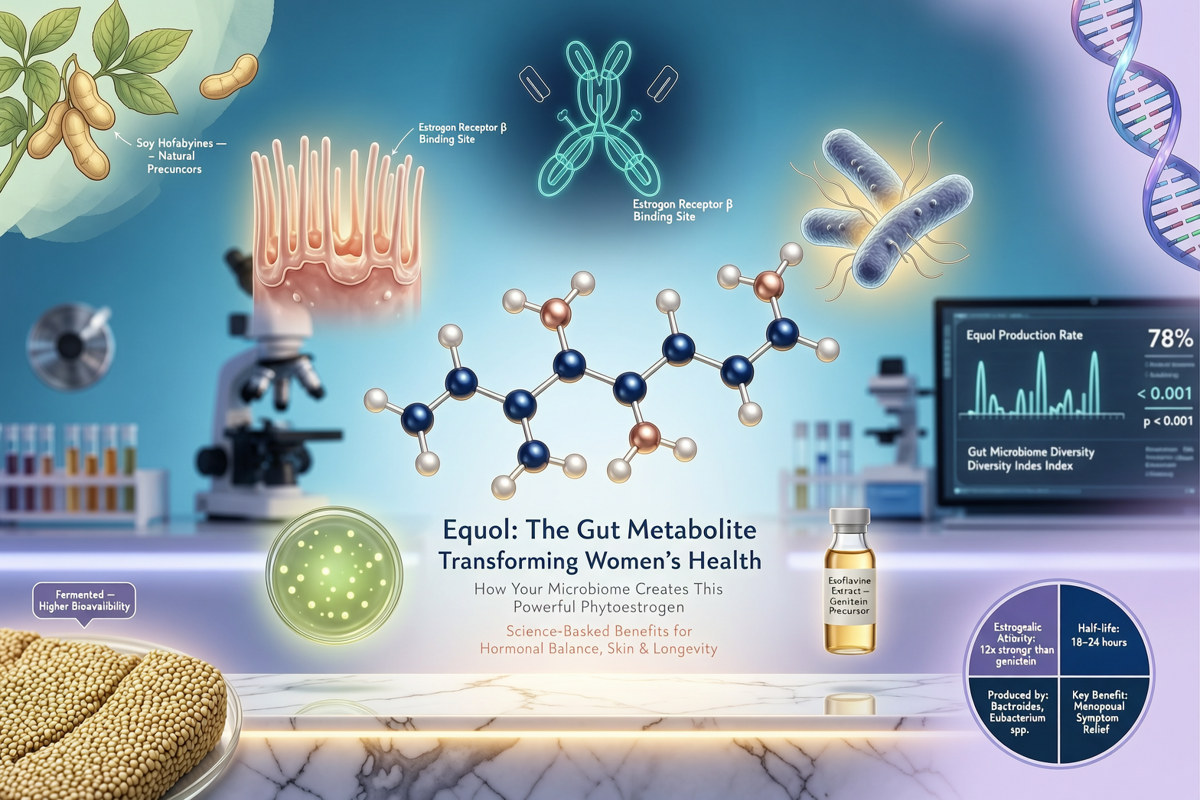
Equol is a compound produced when beneficial gut bacteria break down daidzein, an isoflavone found in soy. Unlike daidzein itself, equol is highly bioavailable and mimics estrogen in the body, making it a key player in hormonal health. However, not everyone can produce equol naturally—only about 30-50% of people harbor the necessary gut microbes. This has led to growing interest in equol supplements for those who cannot make it themselves.
How Equol Supports Hormonal Balance
Equol's ability to bind to estrogen receptors gives it a unique role in managing menopausal symptoms. Studies suggest that equol producers experience fewer hot flashes, night sweats, and mood swings compared to non-producers. By modulating estrogen activity, equol may also help reduce the risk of hormone-related cancers, though more research is needed.
Beyond Menopause: Bone and Heart Health
Equol's benefits extend to bone density. Research indicates that equol producers have higher bone mineral density and a lower risk of osteoporosis. The compound appears to stimulate osteoblast activity while inhibiting bone resorption. Additionally, equol may improve cardiovascular health by reducing oxidative stress and improving lipid profiles, lowering LDL cholesterol and triglycerides.
Who Should Consider Equol Supplements?
If you are experiencing menopausal symptoms, have low bone density, or simply want to maximize soy's benefits, equol supplements could be a game-changer. They are especially valuable for non-producers—those whose gut bacteria cannot convert daidzein. Equol supplements are generally well-tolerated, but it's wise to consult a healthcare provider before starting, particularly if you have a history of hormone-sensitive conditions.
How to Boost Your Own Equol Production
For those who prefer a natural approach, enhancing gut health is key. A diet rich in fiber, prebiotics, and fermented foods can encourage the growth of equol-producing bacteria. Regular consumption of soy—tempeh, tofu, edamame—provides the substrate. Some studies also suggest that a lower intake of dietary fat and higher carbohydrate consumption may favor equol production.
Choosing an Equol Supplement
When selecting a supplement, look for products that provide S-equol, the active form. Dosages typically range from 5-20 mg per day. Check for third-party testing to ensure purity and potency. Brands that use fermentation processes (similar to how the body produces equol) tend to be more reliable.
Potential Risks and Considerations
Equol is considered safe for most adults. However, because it acts like estrogen, women with a history of breast cancer or other estrogen-sensitive conditions should use caution. Always discuss supplements with your doctor. Side effects are rare but may include mild digestive upset.
As research continues, equol's role in women's health becomes clearer. Whether through diet or supplementation, harnessing this powerful metabolite could be a key step in managing menopause and promoting long-term wellness.