Eyeglass Frames, Direct: The Ultimate Guide to Buying Online
From virtual try-ons to precise PD measurements, discover how buying eyeglass frames directly online saves money and delivers style. Your complete guide.
The Direct-to-Consumer Eyewear Revolution
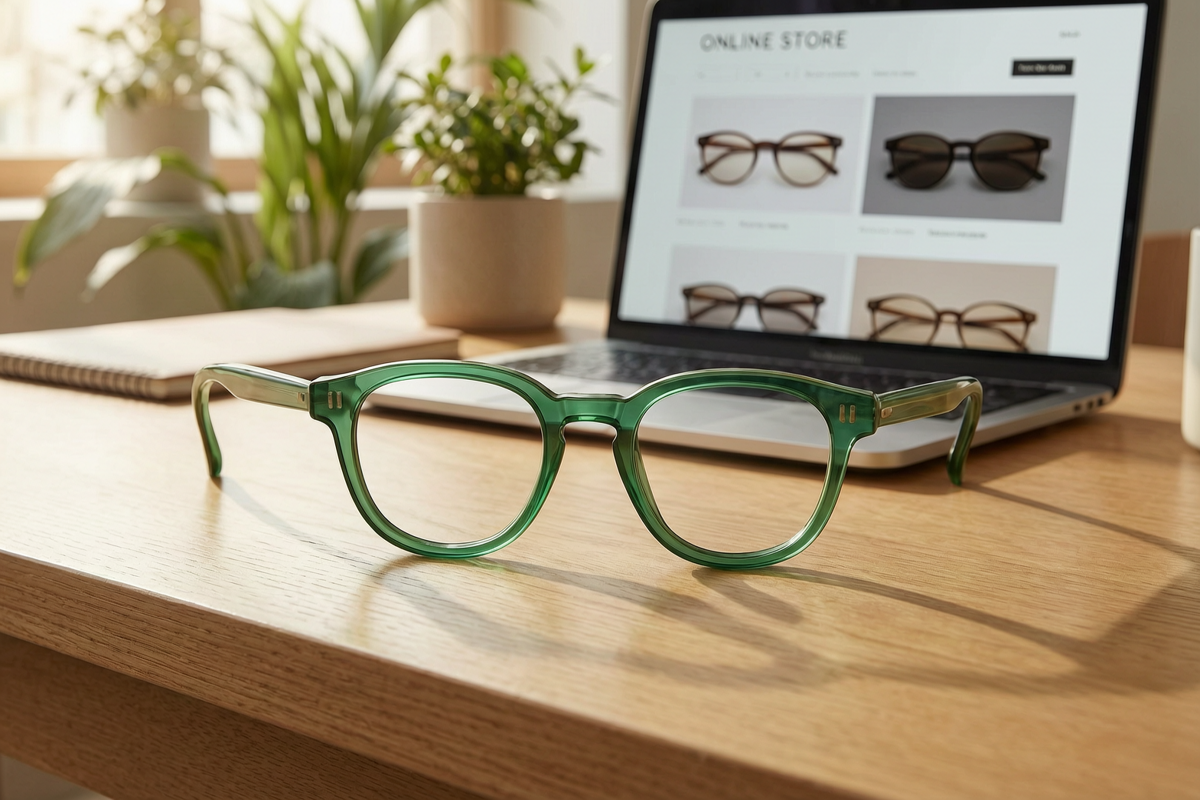
Remember the days when buying eyeglass frames meant a cramped optical shop, a limited wall of choices, and a price tag that made your wallet weep? Those days are fading. The direct-to-consumer model has swept through the eyewear industry, turning the humble pair of spectacles into a personalized, affordable, and even fun purchase. Buying eyestal frames direct from manufacturers and online-first brands cuts out the middleman, slashes overhead costs, and hands the savings straight to you. But convenience and price are just the beginning. Today's digital tools let you try on dozens of frames from your living room, compare lens options, and even upload a photo to see how you'll look before you click buy. This guide disassembles the entire process so you can confidently shop for eyeglass frames online and land a pair that fits, flatters, and functions flawlessly.
Why Going Direct Is a Game-Changer for Your Wallet and Wardrobe
The traditional optical retail chain carries a heavy overhead: real estate, sales commissions, and vast inventory. When you buy direct from a brand that designs, manufactures, or sources frames themselves, you're bypassing those added layers. That's why a stylish titanium frame that might cost $250 at a brick-and-mortar boutique can often be found online for $80 to $120. But the benefits go beyond price.
Vast Selection Beyond the Wall Rack
Online eyewear stores can showcase thousands of frames in every shape, color, and material imaginable. Want a translucent tortoiseshell square? A retro round wireframe? A bold geometric style with an asymmetric bridge? The online catalog has it. Physical stores typically stock only a few dozen models per face shape, so going direct expands your options exponentially.
Virtual Try-On: The Fit Without the Fuss
Nearly every reputable eyewear brand offers a virtual try-on tool that uses your webcam or uploaded photo. These tools are surprisingly accurate, letting you see how the frame's proportions relate to your face width, eye position, and cheekbone height. Some even allow you to adjust the frame angle and zoom in on details. While nothing replaces physically wearing a pair, virtual try-on narrows your shortlist to a handful of finalists, making the final selection far less stressful.
How to Choose Frames That Flatter Your Face
Face shape shouldn't be the only factor, but it's a smart starting point. The goal is balance: your frames should highlight your best features and downplay any you're less keen on. Here's a quick roadmap:
- Round faces: Angular shapes like rectangles, squares, and cat-eye frames add definition and length.
- Oval faces: Almost anything works. Try geometric or bold styles to add edge.
- Square faces: Soften strong jawlines with round or oval frames, or choose low-bridge designs.
- Heart-shaped faces: Balance a wider forehead with frames that are wider at the bottom, like aviators or round shapes.
- Diamond faces: Highlight cheekbones with oval or rimless frames that follow the browline.
But don't obsess over these rules. Your personal style matters more than any chart. The best frame is the one that makes you feel confident every time you look in the mirror.
Frame Materials and Construction: What Really Matters
The material of your frames influences weight, durability, comfort, and even your facial aesthetics. Here are the common players:
Titanium and Beta-Titanium
Ultralight, incredibly strong, and hypoallergenic, titanium is the gold standard for premium frames. Beta-titanium adds even more flexibility, ideal for spring-hinge temples. These frames are perfect for all-day wear, especially if you're sensitive to heavier materials.
Acetate
The classic of the eyewear world. Acetate is a plant-based plastic that's both lightweight and durable. High-quality acetate comes in rich, layered colors and can be polished to a deep, glossy shine. Its stiffness makes it great for bold shapes, though it can be slightly heavier than metal alternatives.
Stainless Steel
A budget-friendly metal choice that's corrosion-resistant and sturdy. Stainless steel frames are thinner than titanium but still lightweight, making them a great everyday option.
Nylon and TR90
These flexible thermoplastics are common in sporty and children's frames. They're nearly unbreakable, spring back to shape, and are incredibly light. If you live an active lifestyle, a nylon frame might outlast every other pair you own.
Measurements: The Secret to a Perfect Online Fit
Even the most stylish frame won't feel good if it slips down your nose or presses behind your ears. That's why understanding key measurements is crucial when ordering glasses online.
- Lens width: The horizontal width of each lens, usually around 50-55mm.
- Bridge width: The distance across the nose piece. This can range from 14mm to 24mm.
- Temple length: The length of the arm, typically 135mm to 150mm.
- Frame width: The total width of the frame front. This should roughly match the width of your face.
You can find these measurements printed on the inside of the temple of your current glasses (e.g., 50-20-140). Use them as a baseline. For a flawless online fit, also measure your pupillary distance (PD) – the distance between the centers of your pupils. A reliable online store should ask for your PD when placing an order. If you don't have it, ask your optometrist, or use a smartphone ruler app with a credit card for scale.
2025 Eyeglass Frame Trends to Watch
The direct-to-consumer space is always innovating, and 2025 brings a refreshing mix of nostalgia and futurism.
- Transparent and translucent acetate: Crystal-clear frames remain a minimalist favorite, but now with playful tinted gradients.
- Retro rectangles: The 1970s-inspired rectangular shape is back, but with thinner profiles and lighter materials.
- Bold color blocking: Two-tone frames that mix contrasting colors on the top rim and temples are taking over.
- Dainty metal rounds: Wire-thin circular frames in gold, silver, and rose gold continue to dominate the artsy, intellectual look.
- Sustainable materials: Bio-acetate, recycled aluminium, and even castor bean-based polymers are becoming mainstream as eco-conscious shoppers demand greener options.
Common Mistakes First-Time Direct Buyers Make
Even with all the advantages, there are pitfalls. Avoid these and you'll be far happier with your purchase.
Skipping the measurements: Guessing your size leads to headaches. Always compare the new frame's dimensions to your current pair. A difference of more than 2-3mm in frame width can drastically change the fit.Choosing lenses too quickly: The frame is only half the story. Read the lens options carefully. Blue light filtering, anti-reflective coating, and high-index lenses (if you have a strong prescription) can be added at checkout. Don't neglect them for a cheaper price.Ignoring the return policy: The best online retailers offer a 30-day return window and a free return label. If a store doesn't offer this, it's a red flag. You might fall in love with one frame in the virtual mirror and hate it on your real nose – that's why a solid return policy is non-negotiable.
Final Thoughts: Direct Is the New Standard
Buying eyeglass frames directly from an online retailer is no longer a gamble; it's a smart, informed choice. The combination of competitive pricing, an almost limitless catalog, and cutting-edge virtual fitting tools puts the power firmly in your hands. You just need to know your face shape, understand the materials, and keep your measurements handy. Once you've mastered these basics, a world of sharp, functional, and uniquely you frames is waiting at your doorstep. So go ahead – spend an evening browsing, try on a dozen styles from your couch, and let the direct revolution transform the way you see the world, and the world sees you.