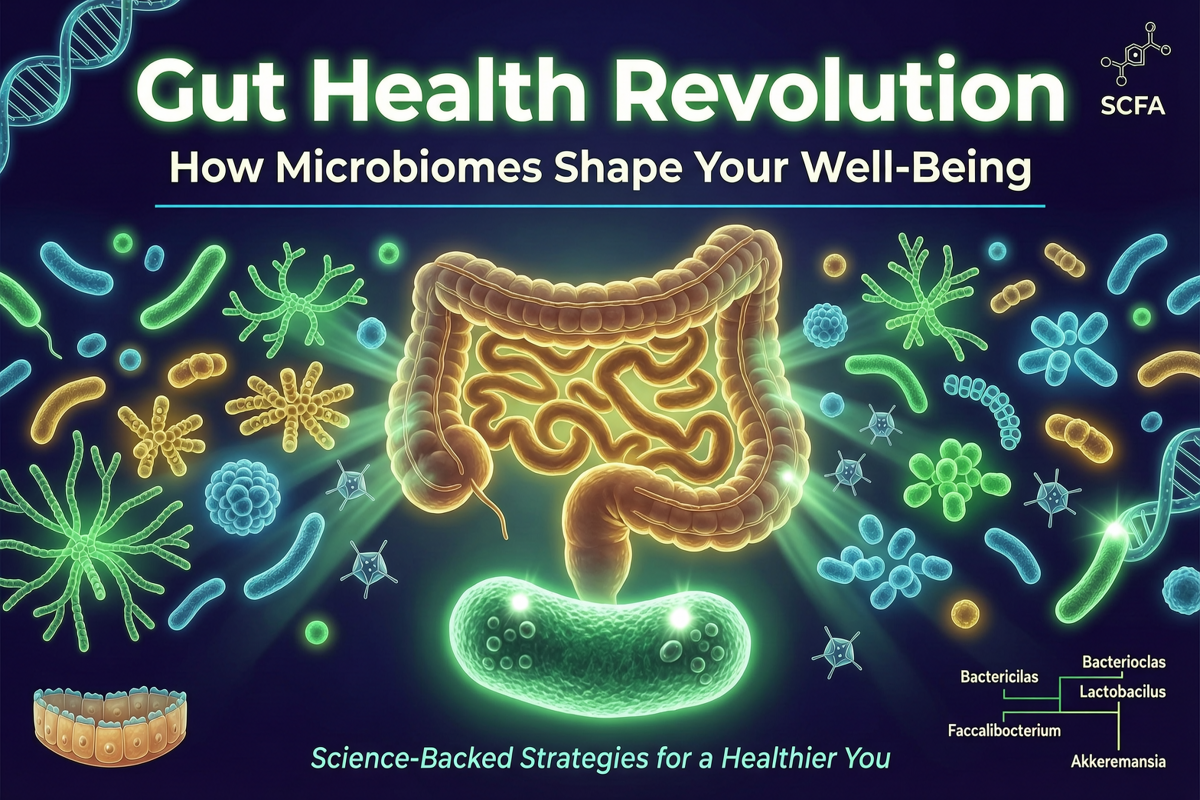
Gut Health Revolution: How Microbiomes Shape Your Well-Being
Discover the latest research on gut microbiomes and how nurturing your gut bacteria can boost immunity, mood, and overall health. Simple diet tips inside.
The Hidden Universe Within You
Your gut is home to trillions of microorganisms, collectively known as the gut microbiome. This complex ecosystem of bacteria, viruses, and fungi plays a crucial role in digestion, but recent research reveals it influences far more—from your immune system to your mental health. The gut microbiome is now considered a key player in overall well-being, and scientists are uncovering new ways to harness its power.
Why Your Gut Bacteria Matter
The gut microbiome helps break down food, produce essential vitamins, and protect against harmful pathogens. But its influence extends beyond the digestive tract. Studies have linked an imbalanced microbiome to conditions such as obesity, type 2 diabetes, inflammatory bowel disease, and even depression. The gut-brain axis, a bidirectional communication network between the gut and the brain, explains why your digestive health can affect your mood and cognitive function.
Key Functions of a Healthy Microbiome
- Digestion and Nutrient Absorption: Gut bacteria help break down complex carbohydrates and fiber, producing short-chain fatty acids that nourish the gut lining.
- Immune Regulation: A diverse microbiome trains the immune system to distinguish between friend and foe, reducing the risk of allergies and autoimmune diseases.
- Mental Health Support: The gut produces about 90% of the body's serotonin, a neurotransmitter that regulates mood, sleep, and appetite.
- Weight Management: Certain bacteria influence how your body stores fat and responds to hunger hormones.
Factors That Disrupt Your Gut Health
Modern lifestyles can wreak havoc on your microbiome. Antibiotics, though life-saving, can wipe out beneficial bacteria. A diet high in processed foods, sugar, and unhealthy fats starves good bacteria. Chronic stress, lack of sleep, and excessive alcohol consumption also contribute to dysbiosis—an imbalance in gut bacteria.
Signs of an Unhealthy Gut
- Digestive issues like bloating, gas, or irregular bowel movements
- Unexplained fatigue or sleep disturbances
- Food intolerances or sensitivities
- Frequent infections or weakened immunity
- Mood swings, anxiety, or depression
How to Improve Your Gut Health Naturally
The good news is that you can positively influence your gut microbiome through lifestyle and dietary changes. Here are evidence-based strategies to nurture your gut bacteria.
Eat a Diverse Range of Foods
A varied diet leads to a diverse microbiome. Aim for at least 30 different plant-based foods per week, including fruits, vegetables, whole grains, nuts, seeds, and legumes. Each type of fiber feeds different bacterial species, promoting biodiversity.
Incorporate Fermented Foods
Fermented foods are rich in probiotics—live beneficial bacteria. Yogurt, kefir, sauerkraut, kimchi, miso, and kombucha can help replenish your gut flora. Start with small servings to allow your digestive system to adjust.
Eat Prebiotic-Rich Foods
Prebiotics are types of fiber that feed your good bacteria. Foods high in prebiotics include garlic, onions, leeks, asparagus, bananas, oats, apples, and flaxseeds. Including these in your diet can stimulate the growth of beneficial bacteria.
Limit Processed Foods and Added Sugars
Highly processed foods and artificial sweeteners can promote the growth of harmful bacteria. Reducing your intake of sugary snacks, sodas, and refined grains can help restore balance.
Manage Stress
Chronic stress can alter your gut microbiome. Incorporate stress-reducing practices such as meditation, deep breathing, yoga, or regular exercise. Even a 10-minute walk can make a difference.
Get Enough Sleep
Poor sleep disrupts the gut-brain axis and can negatively impact your microbiome. Aim for 7-9 hours of quality sleep per night. Establish a consistent sleep schedule and create a relaxing bedtime routine.
Stay Hydrated
Drinking plenty of water supports the mucosal lining of the intestines and promotes the growth of beneficial bacteria. Herbal teas and infused water are also good options.
The Future of Gut Health Research
Scientists are exploring personalized nutrition based on an individual's microbiome, as well as fecal microbiota transplants for conditions like C. diff infections. Probiotics and prebiotics are being refined to target specific health outcomes. The gut microbiome is a rapidly evolving field, and we can expect more breakthroughs in the coming years.
Takeaway
Your gut health is foundational to your overall well-being. By making simple dietary and lifestyle changes, you can support a thriving microbiome and unlock benefits that extend far beyond digestion. Start small—add a serving of fermented foods or a handful of nuts to your daily routine. Your gut will thank you.