Nutrition Geeks: How Data Obsession Can Improve Your Health
Discover how nutrition geeks use science, data, and tech to fine-tune their diets. Learn practical habits and avoid common pitfalls for lasting health.
The Rise of the Nutrition Geek
Walk into any gym, office, or coffee shop today, and you'll likely meet someone who can recite the amino acid profile of their protein powder or explain the difference between soluble and insoluble fiber with the passion of a university lecturer. They are nutrition geeks: people who approach food the way engineers approach a complex system. They track macros, obsess over micronutrient bioavailability, and treat their daily meals as experiments. While this might seem excessive to some, the nutrition geek mindset is quietly reshaping how we understand diet and health.
This movement isn't just about being meticulous. It's driven by genuine curiosity and a desire to move beyond generic dietary advice. For decades, we were told to eat less and move more, yet obesity and metabolic disease rates continued to climb. Nutrition geeks realized that one-size-fits-all advice ignores the complex interplay between genetics, gut bacteria, lifestyle, and individual biology. They began questioning, testing, and measuring. And in doing so, they unlocked a more personalized, effective approach to eating.
Why Caring About Data Matters
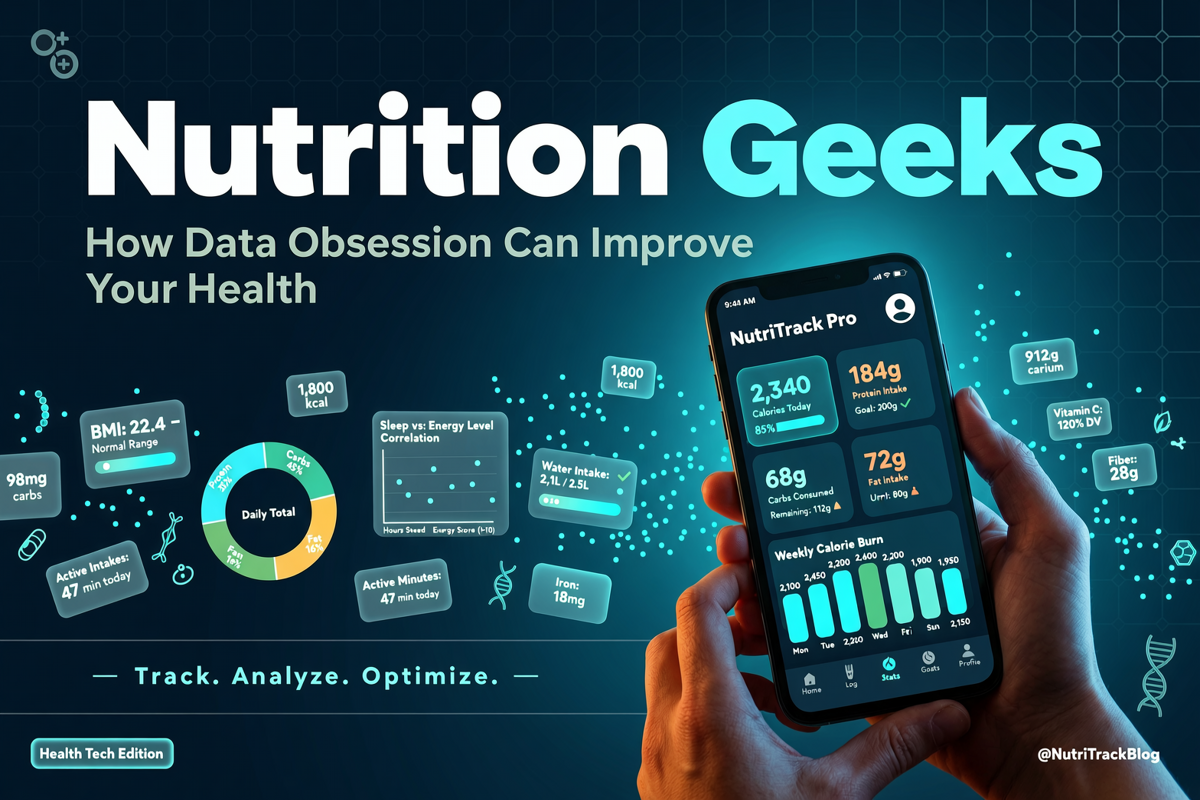
When you treat nutrition as a science, you stop relying on guesswork. Instead of wondering why you feel tired after lunch or why your skin breaks out after certain meals, a nutrition geek digs into the data. They use food journals, glucose monitors, blood tests, and wearable devices to identify patterns. This evidence-based approach often leads to better outcomes: more energy, improved athletic performance, stable mood, and long-term weight management.
The key is precision. For example, two people can eat the same meal, but one might experience a rapid blood sugar spike and subsequent crash, while the other maintains a steady glucose curve. Differences in gut microbiota, insulin sensitivity, sleep, and stress levels cause this variation. A nutrition geek understands this and uses tools like continuous glucose monitors (CGMs) to learn how their body responds to specific foods. This kind of personal insight is far more powerful than generic dietary guidelines.
Macros, Micros, and Beyond
Most people are familiar with macros: protein, carbohydrates, and fat. Nutrition geeks take this concept further. They track fiber, omega-3s, vitamin D, magnesium, and other micronutrients that are often overlooked. For instance, magnesium plays a role in over 300 enzymatic reactions, including energy production and muscle function. Yet many people are deficient without realizing it. A nutrition geek doesn't just eat yogurt for calcium; they actively plan meals to hit specific micronutrient targets.
Timing also matters. Nutrient absorption can change depending on what else is on the plate. Vitamin D is fat-soluble, so taking it with a meal containing healthy fats improves uptake. Iron is better absorbed with vitamin C, but inhibited by calcium and tannins from tea. This level of detail might seem overwhelming, but for a nutrition geek, it's a fascinating puzzle that leads to smarter food pairings and better absorption.
The Role of Supplementation
Nutrition geeks are often early adopters of supplements, but they are also the first to scrutinize the evidence. Unlike those who pop multivitamins out of habit, a true nutrition geek will research dosages, forms, and third-party testing certifications. They know that excessive fat-soluble vitamins can be toxic and that iron supplements are not for everyone. Instead of blindly following influencer trends, they rely on blood tests and peer-reviewed studies to determine what their bodies actually need.
This cautious approach is refreshing. In a market flooded with miracle pills and expensive powders, nutrition geeks act as a natural filter. They demand transparency about sourcing and standardization. They know that a nutrient in isolation often behaves differently than the same nutrient found in a whole food matrix. So they prioritize food first and use supplements only to fill genuine gaps.
The Pitfalls of Over-Optimizing
While the data-driven approach has many strengths, it also has a dark side. The line between healthy optimization and unhealthy obsession can be thin. When every meal becomes a spreadsheet and every snack is weighed to the gram, food loses its joy. Social occasions become stressful, and eating out feels like a minefield. This relentless focus can lead to orthorexia, an eating disorder characterized by an unhealthy fixation on clean eating.
Moreover, more data isn't always better. Wearable trackers and apps are notoriously inaccurate for energy expenditure. Blood sugar monitors can cause anxiety if you obsess over every spike. And constant self-monitoring may actually increase stress hormones, which can negatively impact digestion and metabolic health. The very tools designed to improve health can become sources of chronic stress.
Red Flags for the Nutrition Geek
How do you know if your geeky passion has crossed into harmful territory? Watch for these warning signs:
- You feel guilt or anxiety when your meals deviate from your tracked plan.
- You avoid social eating because you can't calculate the exact macros.
- You spend more than a few hours each day measuring, logging, and researching food.
- You feel superior to people who don't share your dietary rigor.
- You experience physical symptoms like fatigue, hair loss, or feeling cold due to restrictive eating.
If you recognize any of these, it's time to step back and reassess your relationship with food. Remember: data is a tool, not a master. The ultimate goal is a healthy, flexible, and enjoyable eating pattern that supports your life, not one that controls it.
Four Ways to Become a Smarter Nutrition Geek
You can embrace the nutrition geek mindset without falling into the trap of over-optimization. Here are four practical strategies to get started:
- Start with biomarkers, not trends. Instead of diving into every fad supplement, get a blood panel that measures vitamin D, B12, iron, cholesterol, and inflammation markers. Use your results as your personal baseline and adjust your diet accordingly.
- Experiment with a single variable at a time. Change one component of your diet for two weeks, such as increasing fiber or adding a probiotic food, and track how you feel. This creates a controlled experiment and prevents confusion about what caused your results.
- Use technology as a supplement, not a crutch. Apps and wearables are excellent for spotting patterns, but they are not infallible. Use them to guide your curiosity, but also listen to your body's cues like hunger, satiety, and energy levels.
- Plan for imperfection. Aim for an 80/20 rule: be strict about nourishing foods 80% of the time, and allow flexibility for indulgences and social occasions. This prevents burnout and helps you sustain healthy habits long term.
The Bottom Line: Practical Nutrition Meets Data Love
Being a nutrition geek is not about perfection. It's about the joy of learning how your body works, testing hypotheses, and making incremental improvements. When done with awareness, this mindset leads to a deeper understanding of food and health. You become the expert of your own body, rather than relying on generic rules from external sources.
But remember, the most powerful 'data' is how you feel. A flexible, curious, and kind approach to yourself will always outperform a rigid spreadsheet. Let the geek in you explore the science, but let the human in you enjoy the meal.
Embrace your inner nutrition geek. Let it empower you, not consume you. In the end, healthy eating should be both a data-driven adventure and a source of daily joy.