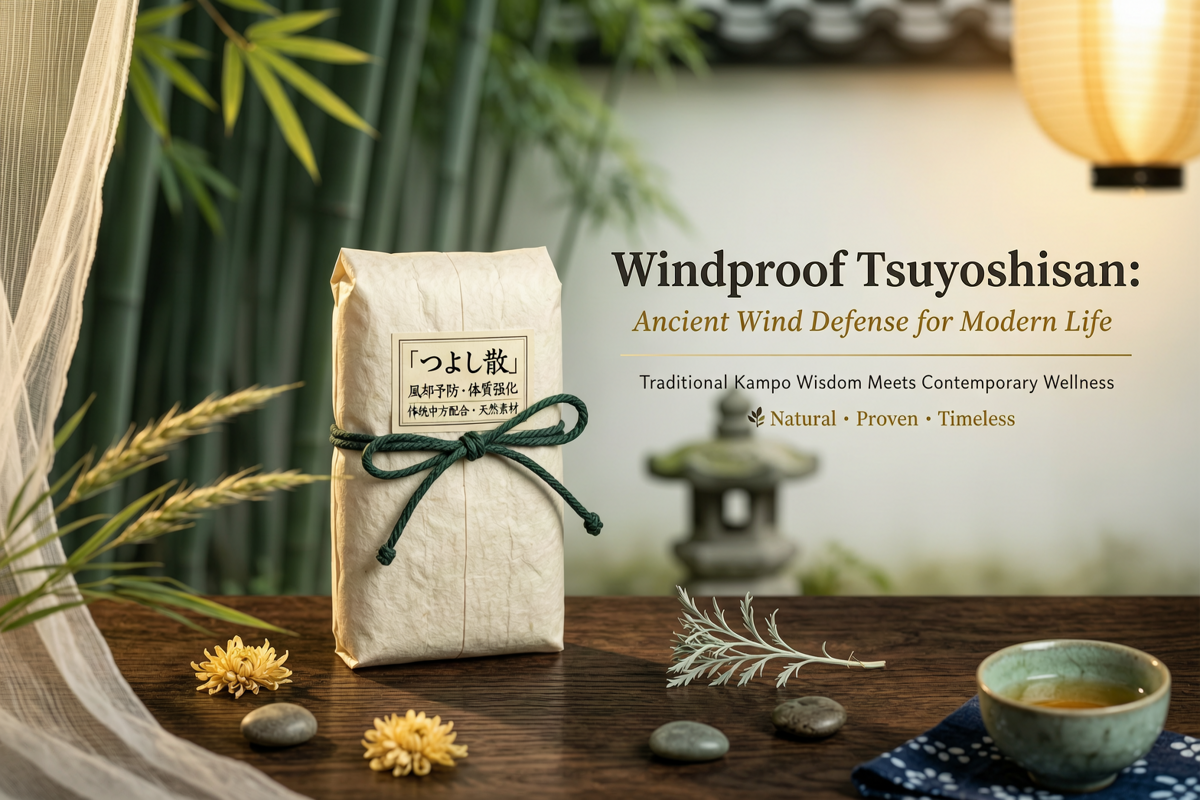
Windproof Tsuyoshisan: Ancient Wind Defense for Modern Life
Discover how Windproof Tsuyoshisan, a TCM-inspired herbal formula, helps shield the body from wind pathogens and supports seasonal wellness.
What Is Windproof Tsuyoshisan?
Windproof Tsuyoshisan is a thoughtfully crafted herbal formula rooted in the traditions of Chinese herbal medicine. Its name hints at its purpose: to guard the body against wind, which in traditional Eastern medicine is one of the most common and influential causes of illness. While it may not be a household name in the West, this blend has been gaining attention among holistic health enthusiasts who seek natural ways to stay resilient during changing seasons.
The formula draws inspiration from classical Chinese pharmacopeia, combining herbs that have been used for centuries to strengthen the body's surface defenses. In TCM, the body's outermost layer is known as the wei qi, or defensive energy. Windproof Tsuyoshisan is designed to reinforce this protective barrier, making it harder for external pathogens to sneak in.
The Role of Wind in Chinese Medicine
To understand why “windproof” matters, you need to step into the worldview of Chinese medicine. Wind is not just a physical breeze; it is a pathogenic force that can carry other harmful influences into the body. When wind invades, it often brings cold, heat, or dampness along with it. This is why a sudden draft can feel like the start of a sniffle, or a chilly wind can leave your neck stiff by morning.
Wind attacks are said to settle in different layers, causing symptoms like sneezing, itchy eyes, headaches, or a scratchy throat. In Chinese medical theory, these signals are the body's alarm bells. Windproof Tsuyoshisan works by calming that alarm and closing the door before the wind gets past the threshold.
Key Herbs Behind the Formula
While the exact composition may vary among manufacturers, Windproof Tsuyoshisan typically includes several well-researched botanicals. Here are some of the most common ingredients and their traditional roles:
- Fangfeng (Saposhnikovia root): Often called the “wind guard,” this herb is considered one of the most important for dispersing wind. It gently drives out pathogenic wind from the surface while also calming spasms and easing muscle tension.
- Jingjie (Schizonepeta spike): A classic partner to Fangfeng, Jingjie helps release the exterior and relieve the early stages of wind-cold. It is also valued for its ability to soothe itchy skin and mild respiratory irritation.
- Bohe (Mentha haplocalyx): This cooling mint clears wind-heat and brings a refreshing sensation to the head and throat. It is especially useful when wind brings fever and soreness.
- Baizhi (Angelica dahurica): Known for relieving sinus pressure and headaches, Baizhi supports the upper body and helps the formula target the face and airway.
- Gancao (Licorice root): Often used in Chinese herbal formulas as a harmonizer, Gancao gentlely blends the other herbs together and moistens the throat.
Together, these herbs create a synergy that is both purifying and fortifying. Instead of masking symptoms, the formula encourages the body to recognize and repel the invading wind.
How Windproof Tsuyoshisan Supports Wellness
People turn to Windproof Tsuyoshisan for several reasons. The most common is seasonal defense. When the weather shifts from warm to cool, or from dry to damp, the body can become more vulnerable. Taking the formula at the first sign of a breeze-induced chill may help you feel more grounded and less susceptible to that seasonal downturn.
Another benefit is its support for the skin. In TCM, wind often causes hives, itchy patches, or an uneven complexion. By addressing wind at the root of the problem, Windproof Tsuyoshisan may help calm these surface-level reactions from the inside out. Some users report a noticeable sense of calm and clarity, especially during allergy-heavy seasons.
Because the formula is gentle, it is often considered suitable for people who want a proactive, everyday tonic. However, as with any herbal supplement, it is not a substitute for medical care if you already have a serious illness. It is best used as part of a broader routine that includes proper rest, hydration, and balanced diet.
Modern Viewpoints and Practical Advice
Research into traditional Chinese medicine is still growing, but several studies have looked at herbs like Fangfeng and Jingjie for their anti-inflammatory and antimicrobial properties. While evidence is not conclusive, these findings align with centuries of empirical use. For those interested in integrative health, Windproof Tsuyoshisan offers a bridge between ancient wisdom and modern lifestyle.
When choosing a product, look for a reputable manufacturer that lists the precise herbs and their origins. Since herbal quality varies greatly, buying from a trusted source ensures you get the full benefit. Also, consider consulting with a licensed practitioner of traditional Chinese medicine or a naturopath, especially if you are pregnant, nursing, or taking prescription medications.
Is Windproof Tsuyoshisan Right for You?
If you often feel knocked off balance by the weather or tend to catch every cold that goes around, Windproof Tsuyoshisan might be a worthwhile addition to your wellness arsenal. Its philosophy is simple: strengthen the perimeter, and the fortress protects itself. In a world full of unpredictable elements, having a reliable herbal ally can make all the difference.
Whether you are a long-time follower of Chinese medicine or just beginning to explore it, this formula invites you to see wind not as an enemy but as a force to be understood and managed. With careful use and realistic expectations, Windproof Tsuyoshisan stands out as a graceful blend of old-world resilience and modern practicality.