Comprehensive Guide to Eczema Treatment: From Immediate Relief to Long-Term Management
Atopic dermatitis, commonly known as eczema, is a chronic inflammatory skin condition that affects millions of people worldwide. It isn’t just "dry skin"; it is a complex immune system response that compromises the skin barrier, leading to intense itching, redness, and irritation. Managing this condition requires a multi-faceted approach that evolves over time.
In this guide, we will explore the full spectrum of eczema treatment, starting from the moment a flare-up begins to the long-term lifestyle changes and advanced medical therapies that can provide lasting relief.
1. Recognizing the Early Signs: The First Step in Eczema Treatment
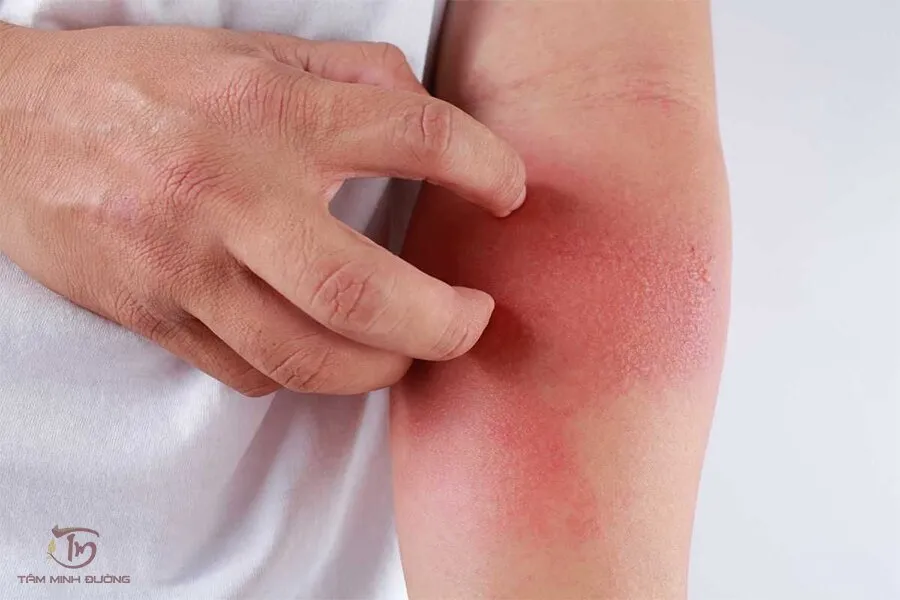
The key to successful eczema treatment is early intervention. Most patients experience a "prodromal" phase where the skin begins to feel tight, dry, or slightly itchy before a full-blown rash appears. Identifying these triggers—whether they are environmental allergens, stress, or specific fabrics—allows for a preemptive strike against inflammation.
During this initial stage, the primary goal is to repair the skin barrier function. When the barrier is weak, moisture escapes (transepidermal water loss) and irritants enter. Using thick, fragrance-free emollients at the first sign of dryness can often prevent a minor irritation from turning into a painful flare-up.
2. Immediate Rescue: Managing Acute Eczema Flare-ups
When a flare-up occurs, the priority shifts from prevention to crisis management. The "itch-scratch cycle" is the greatest enemy of eczema treatment. Scratching damages the skin further, releasing more inflammatory cytokines and increasing the risk of secondary infections. Immediate relief often involves cooling the skin and using localized medications.
Topical Corticosteroids: The Gold Standard
For decades, topical corticosteroids have been the first line of defense. These medications come in various strengths (potency), ranging from mild hydrocortisone to high-potency clobetasol. They work by suppressing the local immune response and shrinking dilated blood vessels to reduce redness.
Wet Wrap Therapy
For severe flares, wet wrap therapy is a highly effective technique. This involves applying a layer of topical medication and moisturizer, followed by a layer of damp gauze or clothing, and then a dry outer layer. This process increases the absorption of the medication and provides a physical barrier against scratching.
3. Daily Maintenance: The Foundation of Skin Barrier Repair
Once the acute inflammation is under control, eczema treatment focuses on daily maintenance. This is the most critical phase for long-term success. The mantra for eczema patients is "moisturize, moisturize, moisturize." However, not all moisturizers are created equal.
Ointments and creams are generally preferred over lotions because they have a higher oil-to-water ratio. Ingredients to look for include:
- Ceramides: Essential lipids that help "glue" skin cells together.
- Humectants: Such as glycerin or hyaluronic acid, which draw water into the skin.
- Occlusives: Like petrolatum, which create a seal to prevent moisture loss.
Effective eczema treatment also involves a specific bathing routine. Short, lukewarm baths (no more than 10 minutes) using non-soap cleansers are ideal. Patting the skin dry gently—never rubbing—and applying moisturizer within three minutes of exiting the water is known as the "soak and seal" method.
4. Non-Steroidal Alternatives: Topical Calcineurin Inhibitors
Many patients and parents are concerned about "steroid phobia," fearing the thinning of the skin (atrophy) associated with long-term steroid use. This is where topical calcineurin inhibitors (TCIs) play a vital role in eczema treatment. Drugs like tacrolimus and pimecrolimus are non-steroidal and can be used on sensitive areas like the face and eyelids.
TCIs work by blocking a protein called calcineurin, which is responsible for activating T-cells in the immune system. Unlike steroids, they do not cause skin thinning. They are excellent for proactive therapy, where the medication is applied twice weekly to "hot spots" even when the skin looks clear, significantly reducing the frequency of future flares.
5. Controlling the Itch: Antihistamines and Neurological Interventions
The itch associated with eczema (pruritus) is often described as "the itch that rashes." Interestingly, eczema itch is not always mediated by histamine, which is why standard antihistamines like loratadine often fail to stop the sensation. However, sedating antihistamines may be used at night to help patients sleep through the urge to scratch.
Modern Approaches to Pruritus
Recent breakthroughs in eczema treatment have identified specific pathways (like the JAK-STAT pathway) that transmit the itch sensation from the skin to the brain. New topical and oral medications are being developed to target these pathways directly, providing relief for patients who have suffered from chronic, "un-killable" itching for years.
6. Phototherapy: Using Light as a Healing Agent
When topical treatments aren't enough, phototherapy (or light therapy) is often the next step in a comprehensive eczema treatment plan. This involves exposing the skin to controlled amounts of Narrowband Ultraviolet B (NB-UVB) light.
Phototherapy works by:
- Reducing the number of inflammatory cells in the skin.
- Increasing Vitamin D production.
- Strengthening the skin's natural defense mechanisms.
While effective, this treatment requires a significant time commitment, usually involving two to three sessions per week at a dermatology clinic for several months. It is an excellent option for patients with moderate-to-severe eczema who want to avoid systemic immunosuppressant drugs.
7. Advanced Systemic Treatments: Biologics and JAK Inhibitors
For those with debilitating symptoms that do not respond to traditional methods, the landscape of eczema treatment has been revolutionized by biologic medications. Unlike broad immunosuppressants, biologics are "smart" drugs that target specific parts of the immune system.
The Rise of Dupilumab
Dupilumab was the first biologic approved for atopic dermatitis. It blocks two specific proteins, IL-4 and IL-13, which are the primary drivers of the type 2 inflammation seen in eczema. Because it is so targeted, it has a much better safety profile than older systemic drugs like cyclosporine.
Oral JAK Inhibitors
The newest frontier in eczema treatment includes oral JAK inhibitors (Janus kinase inhibitors). These pills work rapidly to shut down the signaling pathways that cause inflammation and itching. They offer a powerful alternative for patients who prefer a daily pill over an injection, though they require more frequent blood monitoring.
8. Identifying and Eliminating Environmental Triggers
No eczema treatment plan is complete without an environmental audit. The skin of an eczema patient is hyper-reactive to the world around it. Common triggers include dust mites, pet dander, mold, and seasonal pollens. In some cases, contact dermatitis (an allergic reaction to chemicals in soaps or dyes) can exacerbate eczema.
Practical Environmental Changes:
- Laundry: Use "free and clear" detergents and avoid fabric softeners.
- Clothing: Stick to 100% cotton or silk; avoid wool and synthetic polyesters.
- Air Quality: Use a HEPA air purifier and maintain indoor humidity between 40% and 50%.
In some pediatric cases, food allergies can trigger skin flares. However, dermatologists caution against restrictive diets without professional testing, as the primary cause of eczema is usually a skin barrier defect, not a digestive one.
9. Managing Secondary Infections: The Role of Antibacterials
Eczema-prone skin often lacks certain antimicrobial peptides, making it susceptible to infections, particularly from Staphylococcus aureus. An infection can cause a sudden worsening of symptoms, characterized by yellow crusting, oozing, or "punched-out" sores. When this happens, eczema treatment must include antibacterial components.
One common and cost-effective method is the bleach bath. Adding a small amount of household bleach (about a half-cup for a full tub) to bathwater twice a week can reduce the bacterial load on the skin. This functions similarly to a swimming pool and can significantly decrease the frequency of infected flares. If an infection is deep-seated, a doctor will prescribe oral or topical antibiotics.
10. Psychosocial Impact and Holistic Long-Term Care
Eczema is not just a skin condition; it is a mental health challenge. The sleep deprivation caused by itching and the social anxiety associated with visible rashes can lead to depression and stress. Since stress is a known trigger for inflammation, it creates a vicious cycle. Therefore, eczema treatment should ideally involve a holistic approach.
Cognitive Behavioral Therapy (CBT) and habit-reversal training can help patients break the unconscious scratching habit. Mindfulness and meditation are also gaining traction as complementary tools to lower systemic cortisol levels.
Summary Checklist for Long-Term Management:
- Strict Daily Moisturizing: Even when skin is clear.
- Trigger Avoidance: Identifying personal "flare factors."
- Step-Up Therapy: Using stronger medications only during flares.
- Mental Health Support: Addressing the emotional burden of the disease.
Conclusion
The journey of eczema treatment is rarely a straight line. It is a process of trial and error, requiring patience and a strong partnership with a healthcare provider. While there is currently no "cure" for eczema, the medical advancements of the last decade have made it possible for almost every patient to achieve clear or near-clear skin.
By combining diligent skin barrier repair, targeted medical interventions, and lifestyle modifications, you can take control of your skin rather than letting your skin control you. Remember that what works for one person may not work for another, and your treatment plan will likely evolve as you age or as seasons change. Stay consistent, stay informed, and don't lose hope—relief is possible.