
Goodwill Donation Centers: The Legal and Tax Basics
Goodwill's bins accept more than old sweaters. Here's how the nonprofit network works, what your receipt must say, and how to value what you give.

MacKenzie Scott's Billions: The Legal Side of Fast Giving
MacKenzie Scott has moved billions to nonprofits with few strings attached. Here's how the legal plumbing works — and what recipients must handle after the money lands.
More from searchgonow.com

Geometry Dash: Inside the One-Button Rhythm Obsession
Geometry Dash turns one tap into an obsession: how the rhythm platformer works, why dying 4,000 times feels fair, and why its level editor still hums.

Tutoring That Works: What to Ask Before You Pay
A practical guide to K-12 tutoring: how to tell if your child needs it, what effective sessions look like, key questions to ask, and red flags to avoid.
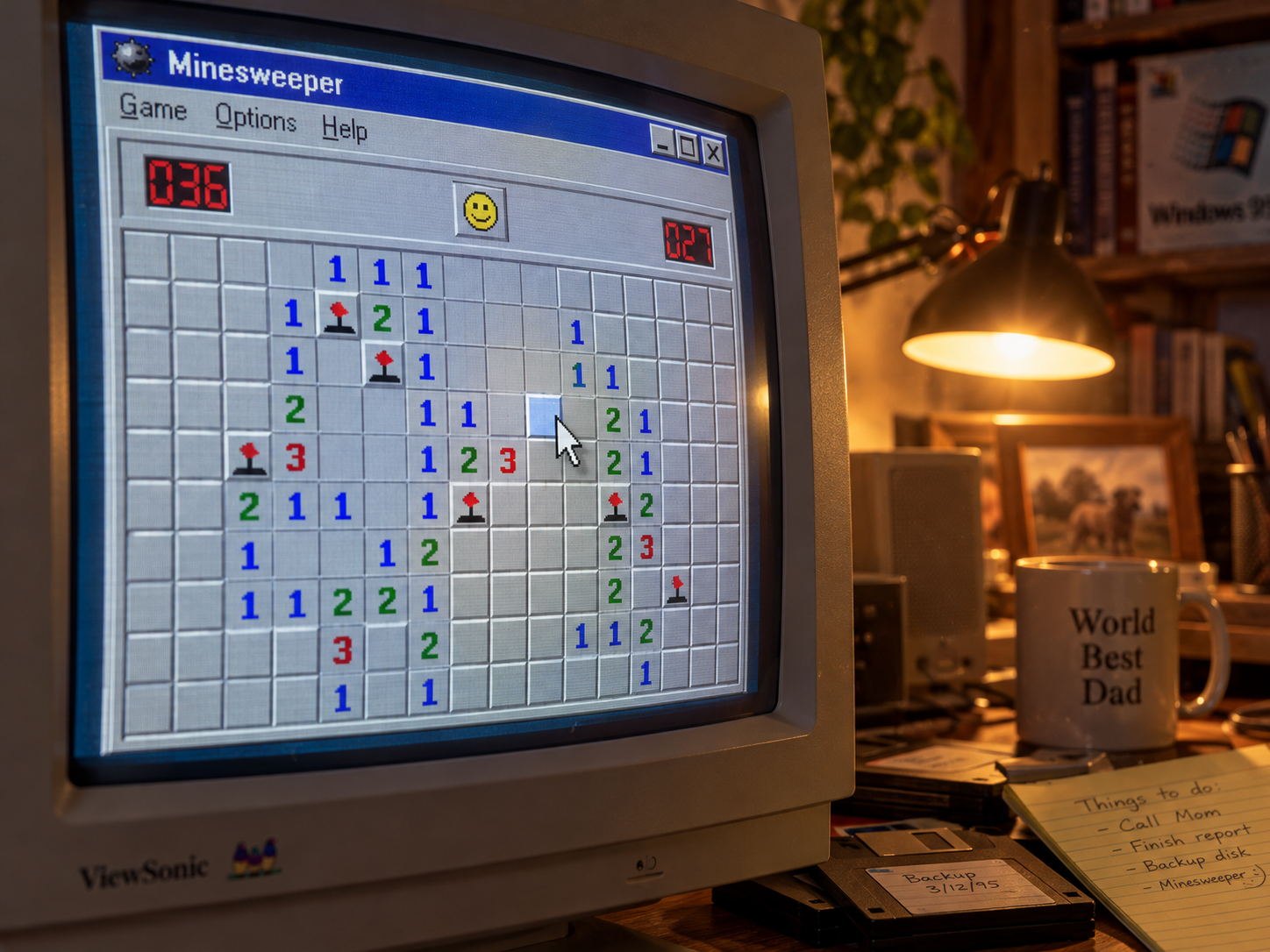
Minesweeper: The Tiny Logic Game That Still Hooks Millions
Minesweeper looks like luck, but it's pure deduction. Here's how the numbers work, why experts still lose, and how to win more boards without guessing.
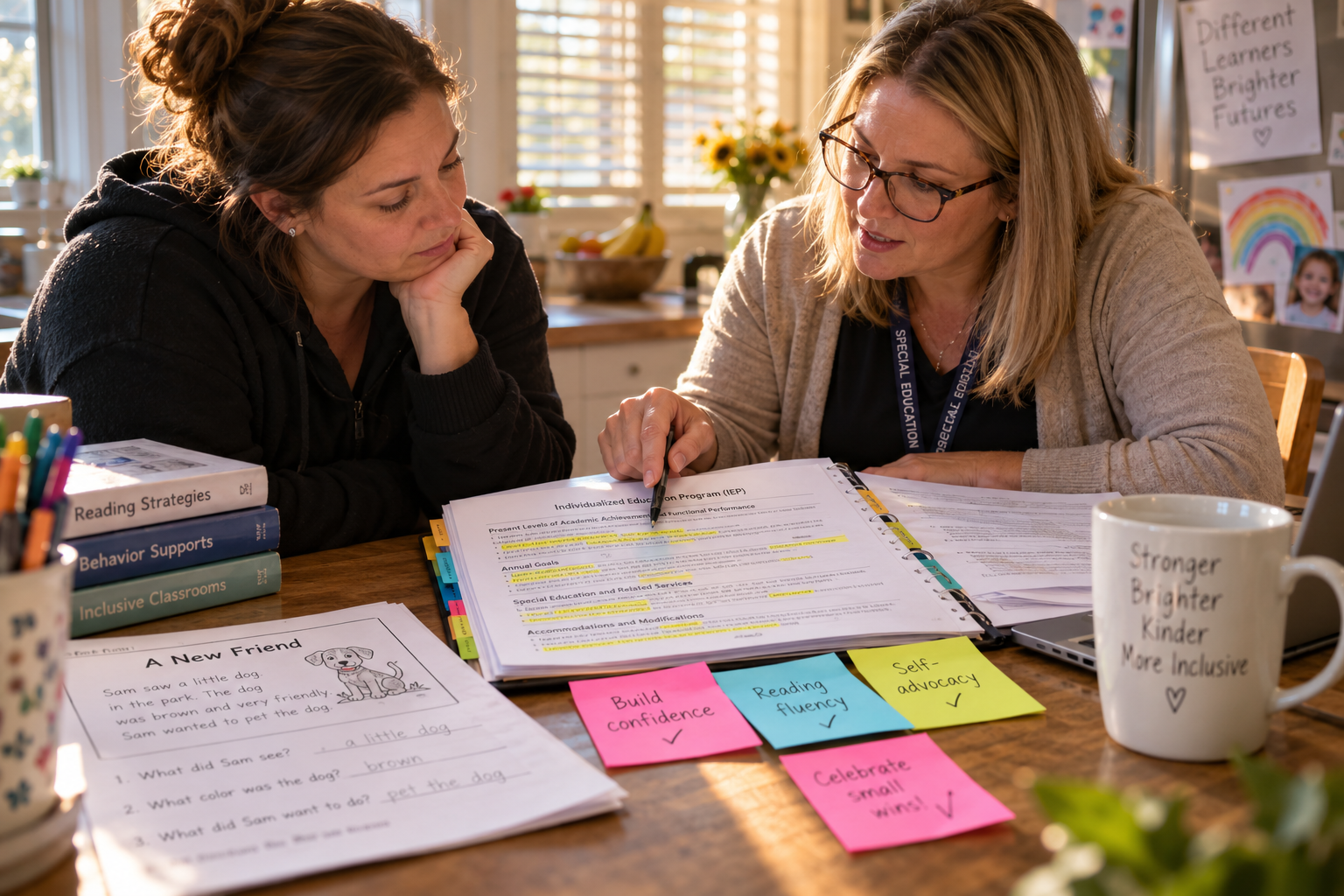
Individual Education Plans: A Parent's Guide to IEPs
An IEP is a legally binding plan for students with disabilities. Here's what belongs inside it, who qualifies, and how parents can steer the process.
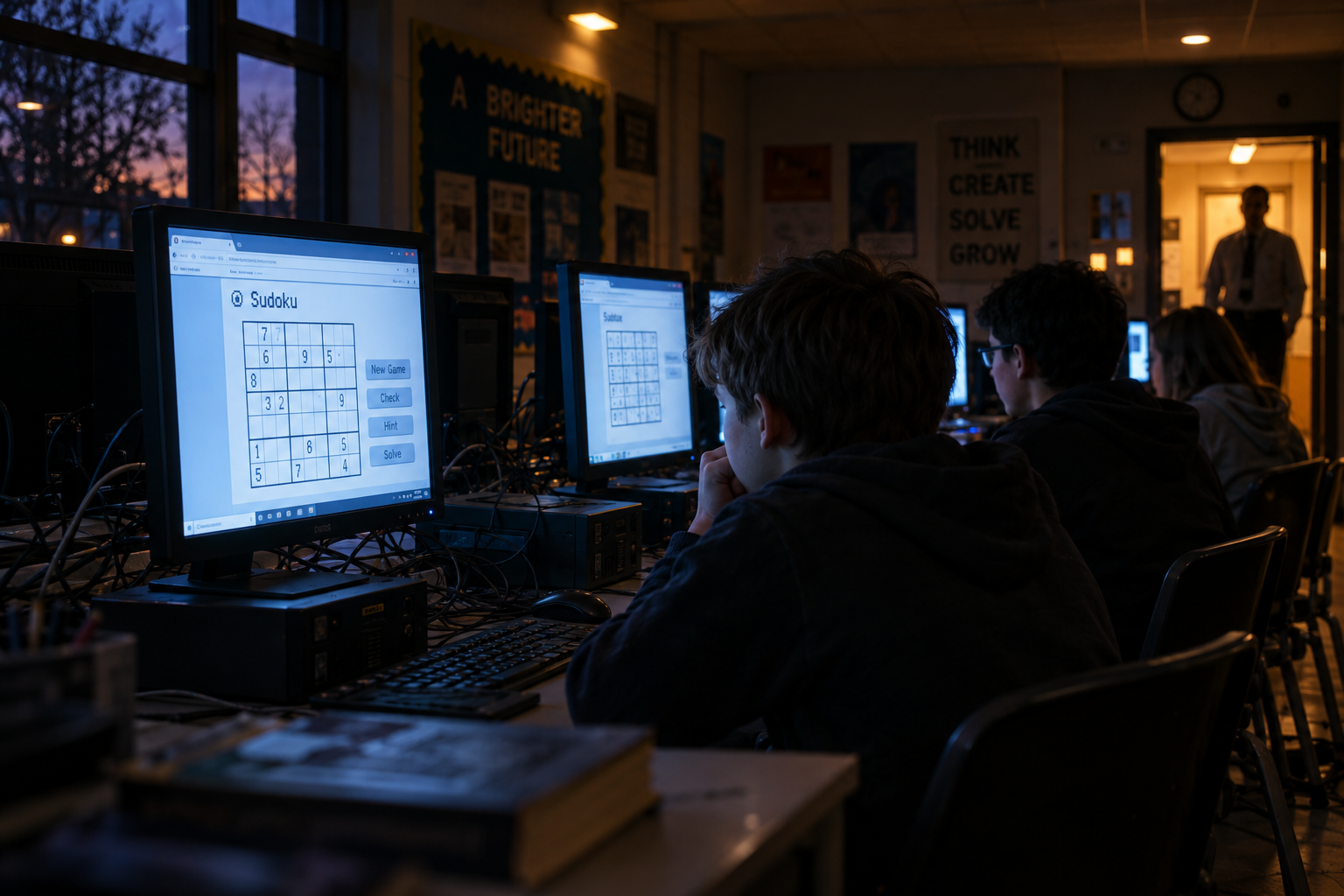
Unblocked Games: Why Browser Puzzles Slip Past Filters
Unblocked games thrive on school and office networks. Here's how browser puzzle portals work, why filters miss them, and the real risks worth weighing.

Preschool, Explained: What Kids Really Learn Before Kindergarten
Preschool shapes how children feel about school for years. Here's what kids really learn, how to spot a high-quality program, and what it really costs.
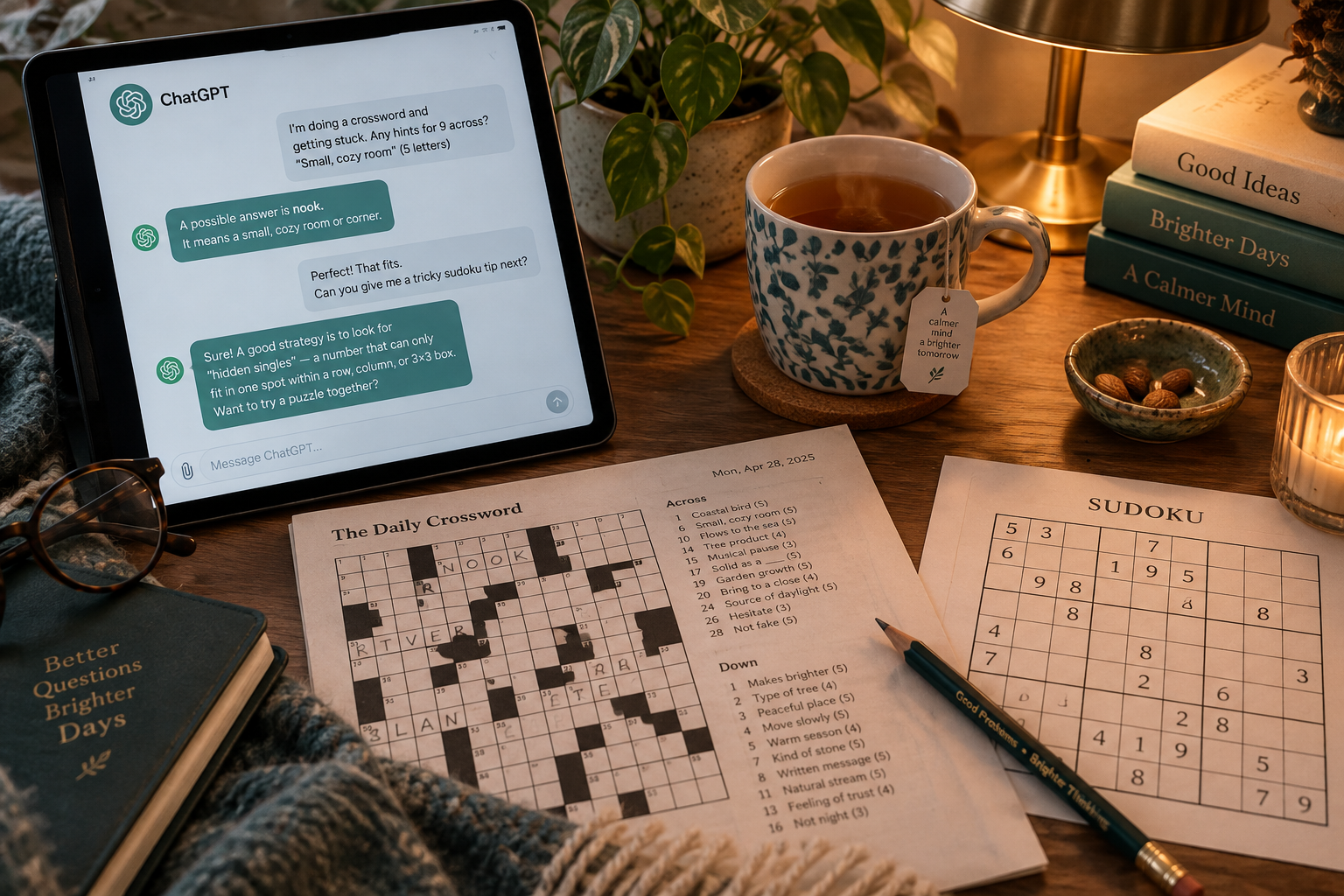
Claude for Puzzle Fans: A Smart Playmate, Not a Cheat Code
Curious how Claude fits into casual puzzle games? A practical look at where the AI helps with riddles, logic and hints — and where it quietly spoils the fun.
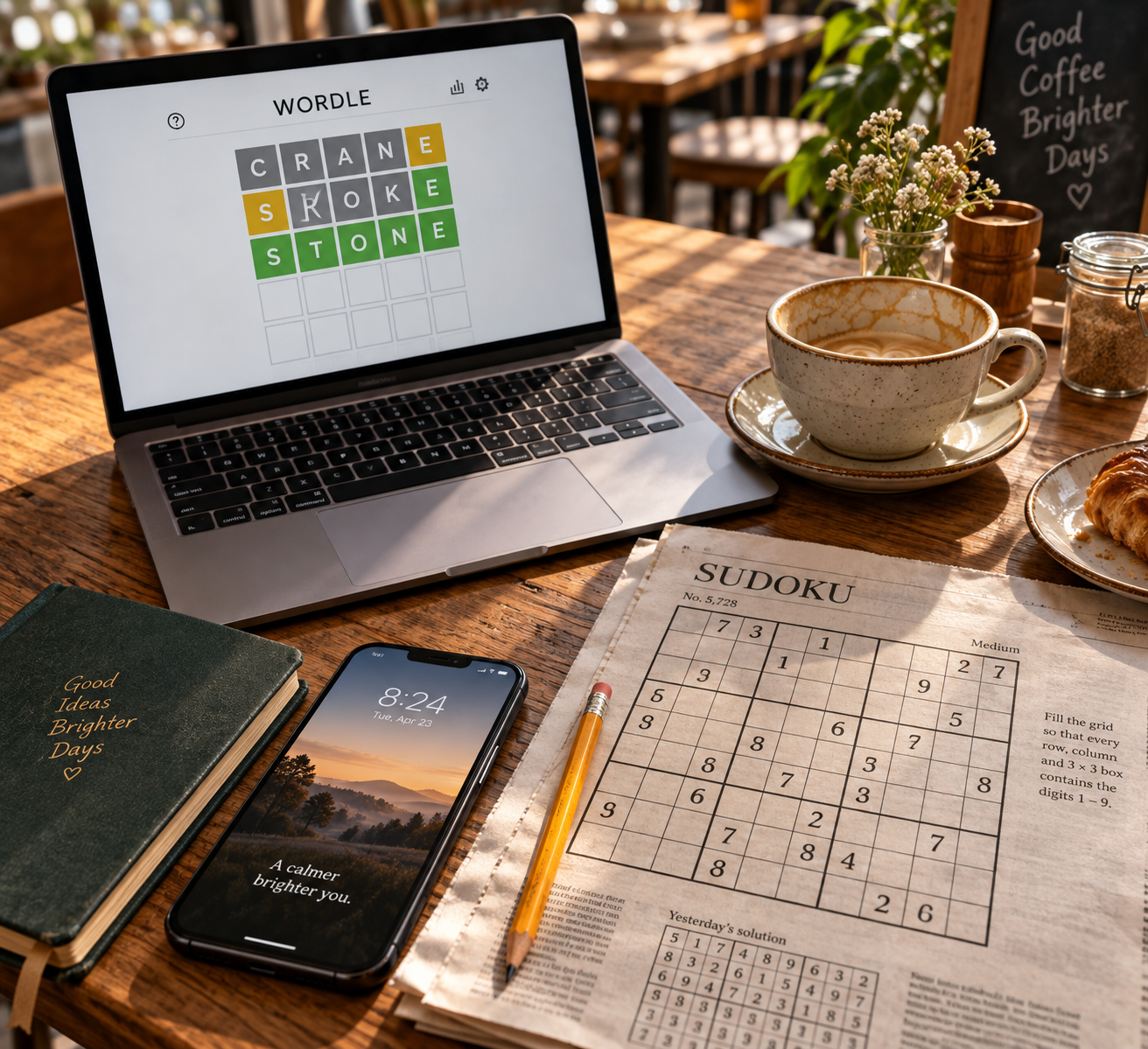
Daily Puzzle Rituals: Why Wordle and Sudoku Hook Your Brain
Daily puzzle games like Wordle and Sudoku tap into streaks, novelty and tidy completion. Here's the psychology behind the habit — and how to play well.