The Science of Silicone Hydrogel: Why Your Next Lenses Should Upgrade
Discover how silicone hydrogel contact lenses offer superior oxygen flow, comfort, and eye health. Learn why upgrading could transform your daily wear experience.
Introduction: A Breath of Fresh Air for Your Eyes
For millions of contact lens wearers, comfort and eye health are top priorities. Traditional hydrogel lenses have served well for decades, but a new champion has emerged: silicone hydrogel. This material revolutionizes how lenses interact with your eyes, delivering dramatically more oxygen to the cornea while retaining the moisture you need for all-day comfort. In this article, we’ll explore the science behind silicone hydrogel, its benefits over conventional lenses, and why it might be time for you to make the switch.
What Is Silicone Hydrogel?
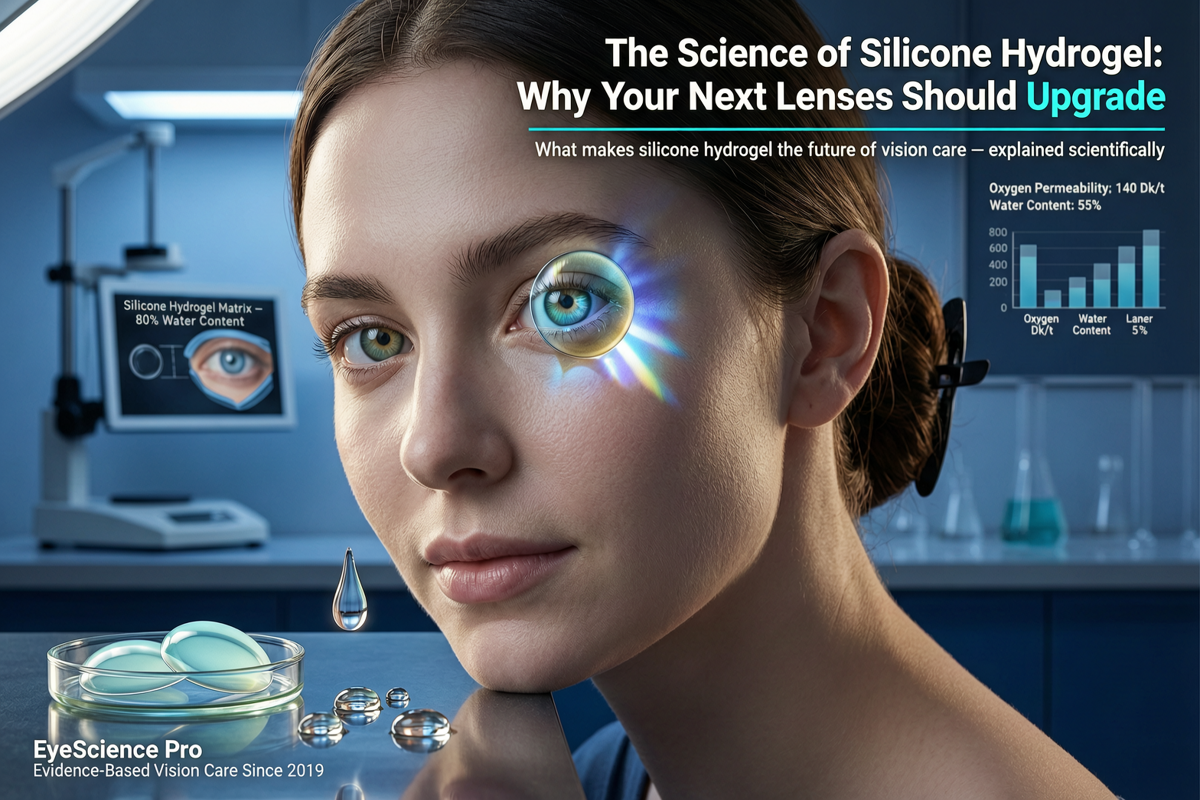
Silicone hydrogel is a advanced polymer that combines the water-absorbing properties of traditional hydrogels with the oxygen permeability of silicone. The key innovation lies in its structure: silicone molecules create channels that allow oxygen to pass through the lens material itself, rather than relying solely on the water content to carry oxygen. This results in lenses that can have lower water content yet still deliver exceptional oxygen flow—a breakthrough for eye health.
The Oxygen Imperative
Your cornea needs oxygen to stay healthy. Unlike other tissues, the cornea has no blood supply; it gets oxygen directly from the air. Contact lenses sit on the cornea, creating a barrier. Traditional hydrogels rely on water to transport oxygen, but water itself is not a great oxygen carrier. Silicone hydrogels, by contrast, use the silicone component to let oxygen pass through the lens material. This means even lenses with lower water content can provide 5 to 10 times more oxygen than standard hydrogels. The result? Reduced risk of corneal swelling, hypoxia, and other complications.
Key Benefits of Silicone Hydrogel Lenses
1. Superior Oxygen Permeability (Dk/t)
The Dk/t value measures how much oxygen passes through a lens. Silicone hydrogel lenses typically have Dk/t values above 100, while traditional hydrogels often fall below 30. This high oxygen flow helps maintain corneal health, especially during extended wear or in low-oxygen environments like high altitudes or air travel.
2. Reduced Dryness and Discomfort
Many wearers experience end-of-day dryness with traditional lenses. Silicone hydrogels are designed to retain moisture better, thanks to their unique chemical structure. Some brands incorporate wetting agents or surface treatments that keep the lens surface hydrated throughout the day. Users often report less dryness, fewer instances of lens awareness, and longer comfortable wear times.
3. Extended Wear Options
Because of their high oxygen permeability, many silicone hydrogel lenses are approved for overnight or extended wear (up to 30 days). While not everyone should sleep in lenses, those who do benefit from a reduced risk of corneal edema. Always follow your eye care professional’s advice on wearing schedules.
4. Better for Sensitive Eyes
If you have dry eyes or allergies, silicone hydrogel may be a game-changer. The material’s high oxygen flow helps maintain a healthy ocular surface, and the reduced dehydration means less irritation. Many users with contact lens intolerance find they can comfortably wear silicone hydrogels when other lenses failed.
Comparing Silicone Hydrogel to Traditional Hydrogel
Traditional hydrogel lenses are still widely used and can be perfectly adequate for many people. However, they have limitations. Their oxygen permeability is directly tied to water content: higher water lenses let more oxygen through but can also dehydrate faster, leading to discomfort. Silicone hydrogels decouple oxygen flow from water content, allowing for lenses that are both highly breathable and moisture-retentive. The trade-off? Silicone hydrogels can be slightly stiffer and may require a short adaptation period. But for most, the benefits far outweigh any initial adjustment.
Are Silicone Hydrogel Lenses Right for You?
Almost any contact lens wearer can benefit from silicone hydrogel, but they are especially recommended for:
- People who experience dryness or discomfort with their current lenses
- Those who wear lenses for long hours (10+ hours per day)
- Individuals with active lifestyles who need lenses that stay comfortable during exercise
- Anyone considering extended or overnight wear
- Patients with a history of corneal issues or contact lens-related complications
Your eye doctor can help you choose the right brand and type. Popular silicone hydrogel options include Acuvue Oasys, Biofinity, Air Optix, and Dailies Total1. Each has its own characteristics, such as daily vs. monthly replacement and different surface treatments.
Care and Maintenance Tips
While silicone hydrogels are more breathable, they still require proper care. Here are some tips:
- Always wash your hands before handling lenses.
- Use fresh solution every time—never top off old solution.
- Replace your lens case every three months.
- Follow the recommended replacement schedule (daily, bi-weekly, or monthly).
- Never sleep in lenses unless specifically approved by your doctor.
- Attend regular eye exams to monitor your corneal health.
The Future of Contact Lens Materials
Silicone hydrogel is not the final word. Researchers are exploring even more advanced materials, such as those that release drugs to treat conditions like glaucoma or allergies. Some lenses are being developed with built-in sensors to monitor glucose levels for diabetics. But for now, silicone hydrogel represents the gold standard for combining comfort, health, and convenience.
Conclusion: Upgrade Your Vision Experience
If you’ve been wearing the same type of contact lenses for years, it might be time to ask your eye doctor about silicone hydrogel. The science is clear: these lenses provide superior oxygen flow, better moisture retention, and overall improved eye health. Whether you’re a daily wearer or looking for extended wear options, silicone hydrogel can enhance your contact lens experience. Your eyes will thank you for the upgrade.