A Complete Guide to Understanding Cervical Cancer
Introduction
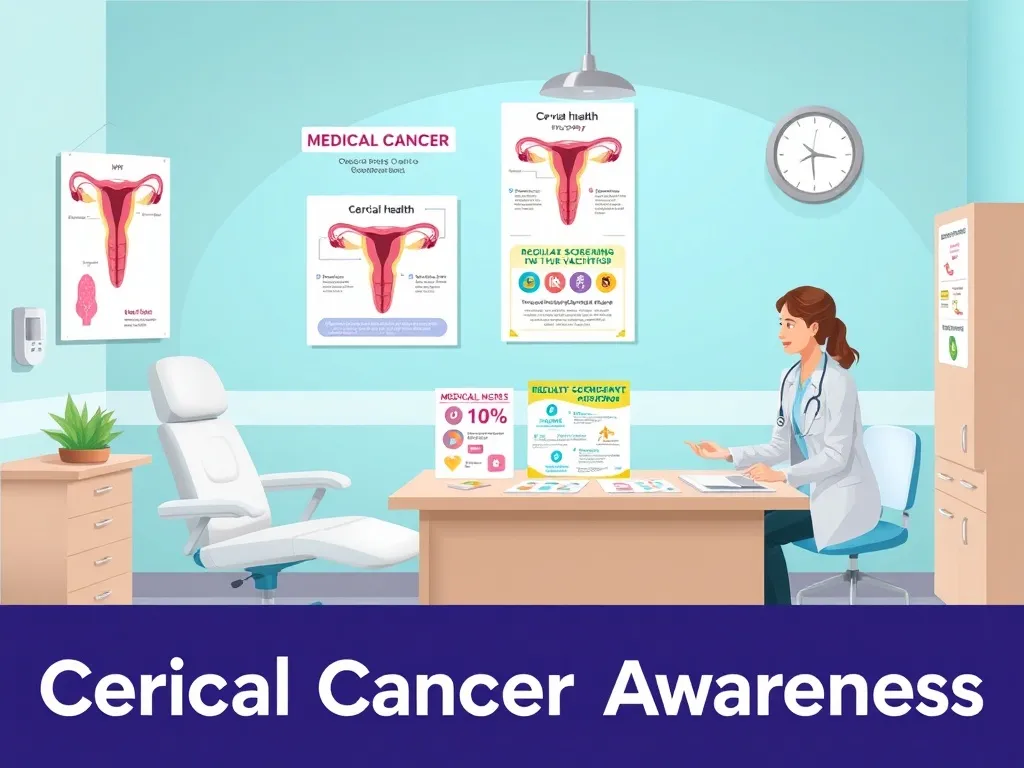
Cervical Cancer is one of the most preventable and treatable forms of cancer when detected early, yet it continues to affect hundreds of thousands of women worldwide each year. Advances in screening, vaccination, and treatment have dramatically reduced mortality rates, but gaps in awareness and access to healthcare remain significant challenges. This in-depth guide explores Cervical Cancer from its biological origins to prevention, diagnosis, treatment, recovery, and long-term survivorship, helping readers understand the disease step by step across time and progression.
What Is Cervical Cancer and Why It Is Important
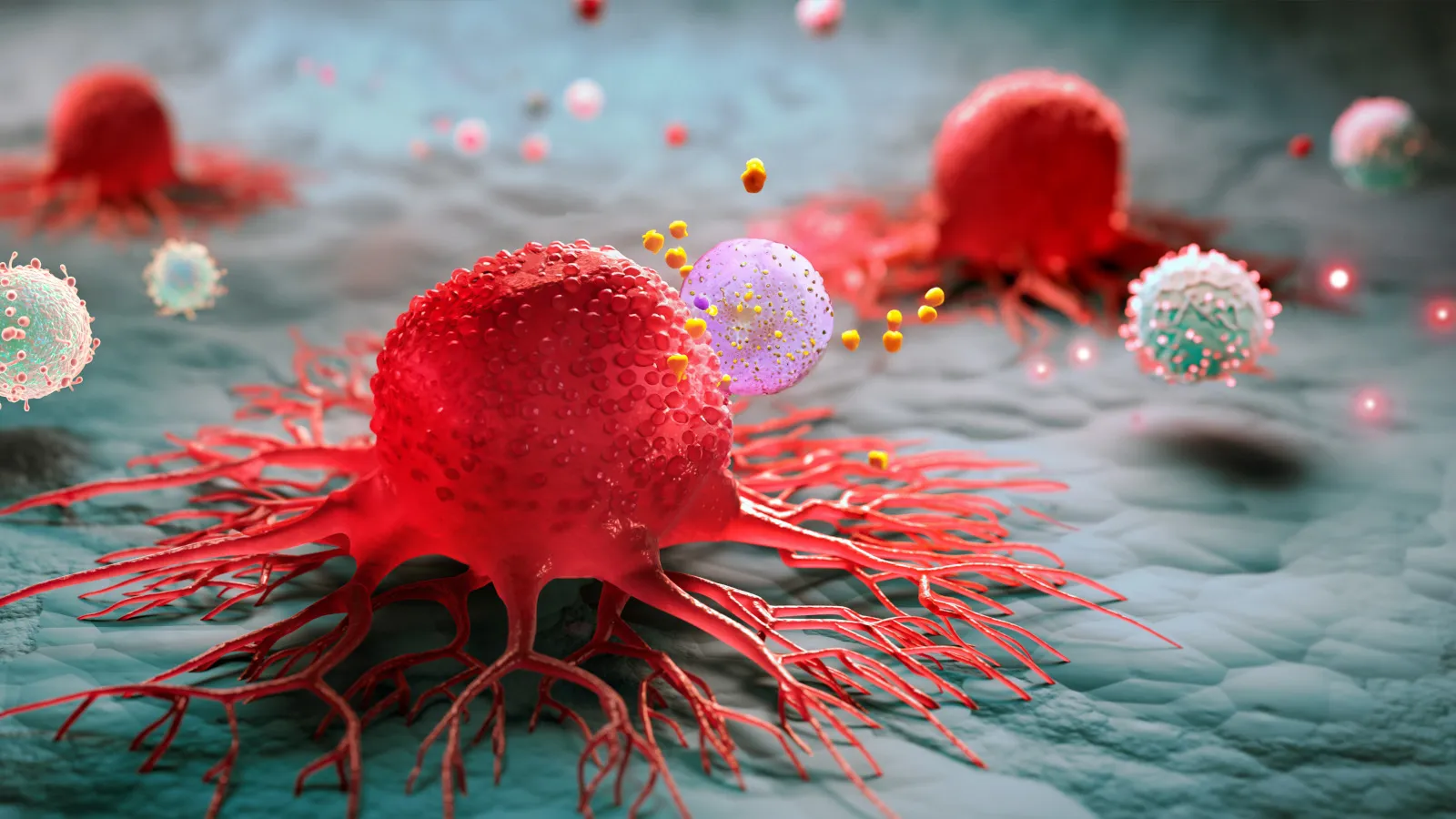
Cervical Cancer develops in the cells of the cervix, which is the lower part of the uterus connecting to the vagina. It usually begins with abnormal cell changes that progress slowly over time. These early changes, known as precancerous lesions, may take years to develop into invasive cancer if left untreated.
Although Cervical Cancer is highly preventable, it remains a leading cause of cancer-related deaths among women in low- and middle-income countries. Limited access to screening and HPV vaccination contributes significantly to this burden, making education and early detection critical public health priorities.
Anatomy of the Cervix and Cancer Development
The cervix plays a crucial role in reproductive health, acting as a gateway between the uterus and vagina. It produces mucus that changes throughout the menstrual cycle and during pregnancy. Because of its cellular composition, the cervix is particularly vulnerable to persistent viral infections linked to Cervical Cancer.
Cervical Cancer typically starts in the transformation zone, where two types of cervical cells meet. Persistent infection with high-risk human papillomavirus (HPV) strains causes genetic changes that lead to uncontrolled cell growth and, eventually, cancer.
Types of Cervical Cancer
This is the most common form of Cervical Cancer, accounting for the majority of cases. It originates in the thin, flat squamous cells lining the outer cervix and often develops slowly, making it detectable through regular screening.
Adenocarcinoma develops in the glandular cells that line the cervical canal. Although less common, this type of Cervical Cancer can be more difficult to detect early because it forms higher in the cervix.
Key differences between types include:
Cell of origin
Detection difficulty
Growth pattern
Response to treatment
Causes and Risk Factors of Cervical Cancer
Persistent infection with high-risk HPV strains is the primary cause of Cervical Cancer. While HPV is extremely common and often clears on its own, long-term infection increases the risk of cellular changes that can become cancerous.
Other factors contributing to Cervical Cancer include smoking, weakened immune system, long-term use of oral contraceptives, early sexual activity, and multiple sexual partners. These factors increase susceptibility to HPV infection or reduce the body’s ability to fight it.
Early Signs and Symptoms of Cervical Cancer
In its early stages, Cervical Cancer often causes no noticeable symptoms. This is why regular Pap tests and HPV screenings are essential for early detection before symptoms appear.
As Cervical Cancer progresses, symptoms may include abnormal vaginal bleeding, pelvic pain, pain during intercourse, and unusual vaginal discharge. These signs warrant immediate medical evaluation.
Screening and Early Detection
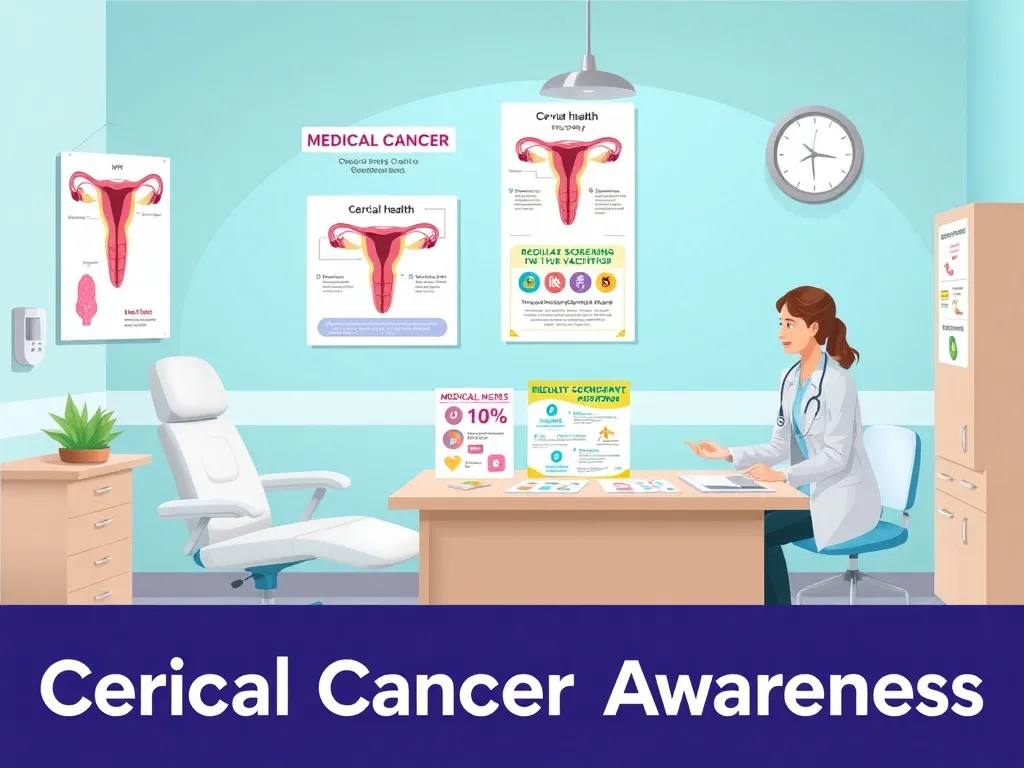
Screening is the cornerstone of Cervical Cancer prevention. Pap smears detect precancerous changes, while HPV tests identify high-risk virus strains. When used together, these tests significantly reduce cancer risk.
Health organizations recommend regular screening beginning in early adulthood. The frequency and type of screening depend on age, medical history, and prior test results, ensuring personalized prevention strategies.
Diagnosis and Staging of Cervical Cancer
If screening results are abnormal, further tests such as colposcopy and biopsy are performed. These procedures confirm the presence of Cervical Cancer and determine the extent of abnormal cell growth.
Staging describes how far Cervical Cancer has spread, from localized disease to distant metastasis. Accurate staging guides treatment decisions and helps predict outcomes.
Treatment Options for Cervical Cancer
Early-stage Cervical Cancer may be treated with surgery to remove cancerous tissue while preserving fertility when possible. Surgical options depend on tumor size and spread.
Advanced Cervical Cancer often requires radiation therapy combined with chemotherapy. These treatments target cancer cells throughout the body and reduce recurrence risk.
Common side effects of treatment may include:
Fatigue
Nausea and digestive issues
Menstrual changes
Emotional stress
Recovery, Fertility, and Quality of Life
Recovery after Cervical Cancer treatment varies by individual. While physical healing may occur within months, emotional adjustment often takes longer and benefits from counseling and support groups.
Some treatments for Cervical Cancer affect fertility. Fertility-preserving procedures and reproductive counseling help patients make informed decisions before and after treatment.
Prevention and HPV Vaccination
HPV vaccination is one of the most effective ways to prevent Cervical Cancer. Vaccines protect against the most common high-risk HPV strains and are recommended before exposure to the virus.
In addition to vaccination, preventive strategies include regular screening, safe sexual practices, smoking cessation, and maintaining a healthy immune system.
Long-Term Outlook and Survivorship
When detected early, Cervical Cancer has a high survival rate. Advances in treatment continue to improve outcomes even for advanced stages, offering hope to patients and families.
Survivorship involves ongoing monitoring, healthy lifestyle choices, and emotional well-being. Many women lead full, active lives after Cervical Cancer with proper follow-up care and support.
Conclusion
Cervical Cancer is a largely preventable disease with powerful tools available for early detection and treatment. Understanding its causes, symptoms, screening methods, and treatment options empowers individuals to take control of their health. Through regular screening, HPV vaccination, and timely medical care, the global burden of Cervical Cancer can be significantly reduced, saving lives and improving quality of life for future generations.