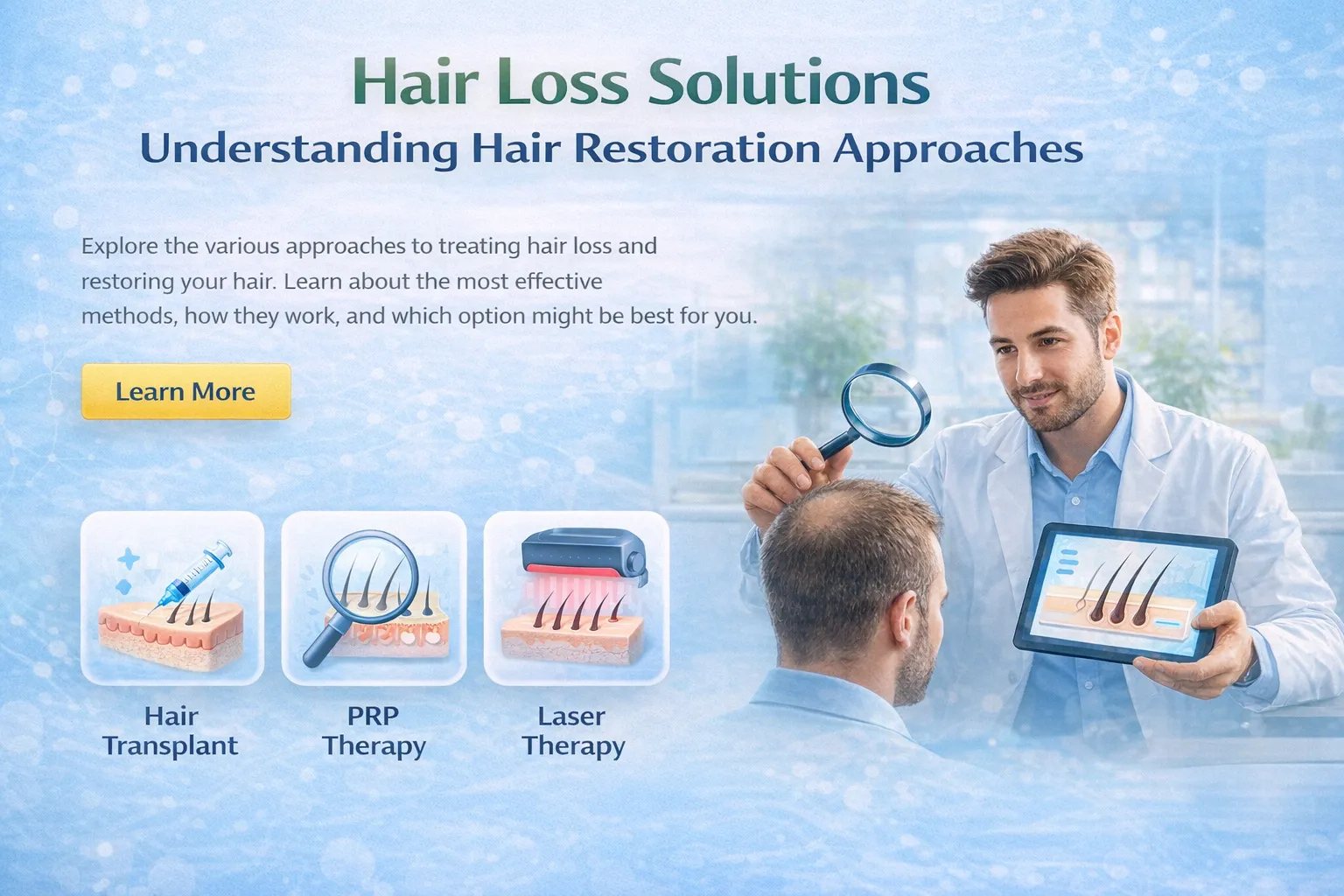
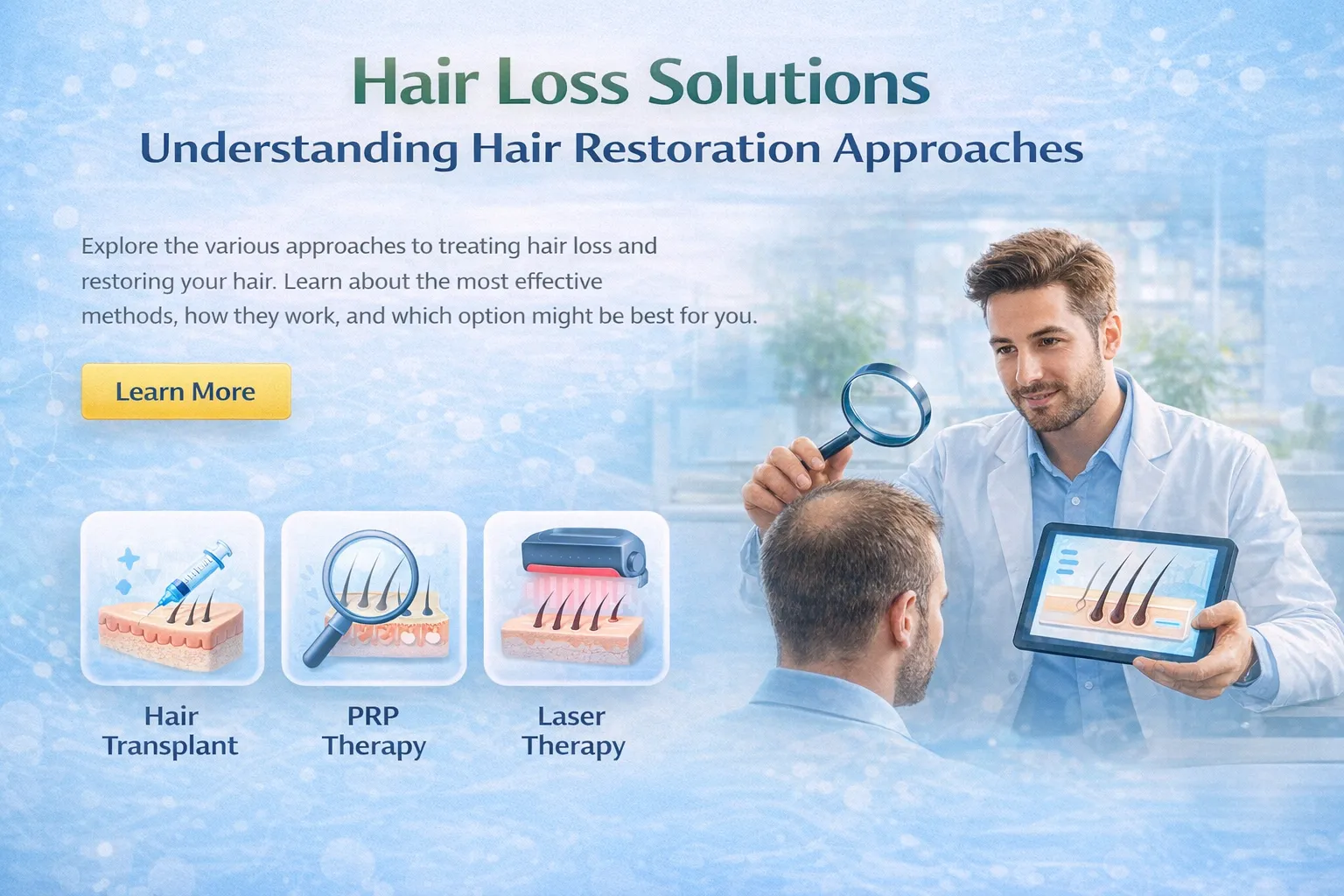
Hair Loss Solutions: Understanding Hair Restoration Approaches
Hair Loss Solutions: Understanding Hair Restoration Approaches
Introduction
Hair loss is a common concern that affects both men and women at different stages of life. Whether it begins gradually or appears suddenly, noticing changes in hair thickness, density, or hairline can lead many individuals to explore available solutions.
Today, hair restoration is no longer limited to a single method. Advances in medical research and technology have introduced a wide range of approaches, from non-invasive treatments to clinically supervised procedures. This guide provides a clear, educational overview to help readers better understand the landscape of modern hair restoration.
Understanding Hair Loss
Hair loss can occur for various reasons, and identifying potential causes is often the first step in exploring suitable options.
Common Factors Associated with Hair Loss
- Genetic predisposition (pattern hair loss)
- Hormonal changes
- Stress and lifestyle factors
- Nutritional deficiencies
- Medical conditions or treatments
Hair loss may present as thinning, excessive shedding, or receding hairlines. The pattern and progression can differ widely between individuals.
Overview of Hair Restoration Approaches
Hair restoration solutions generally fall into three broad categories: non-invasive treatments, minimally invasive options, and surgical procedures.
1. Non-Invasive Approaches
These are often the first options individuals explore due to their accessibility and lower commitment.
Topical Treatments
Commonly applied directly to the scalp, these solutions aim to support hair follicles and promote a healthier growth environment.
Oral Medications
Some approaches involve prescription-based solutions designed to address underlying biological factors contributing to hair loss.
Lifestyle and Nutritional Support
Improving diet, reducing stress, and maintaining scalp health may help support overall hair condition.
2. Minimally Invasive Options
These methods are typically performed in clinical settings and may involve newer technologies.
Scalp Therapies
Treatments designed to stimulate the scalp and improve circulation are often discussed as part of hair restoration strategies.
Regenerative Techniques
Some approaches focus on supporting natural hair growth processes using the body’s own biological components.
3. Surgical Hair Restoration
For individuals with more advanced hair loss, surgical solutions may be considered.
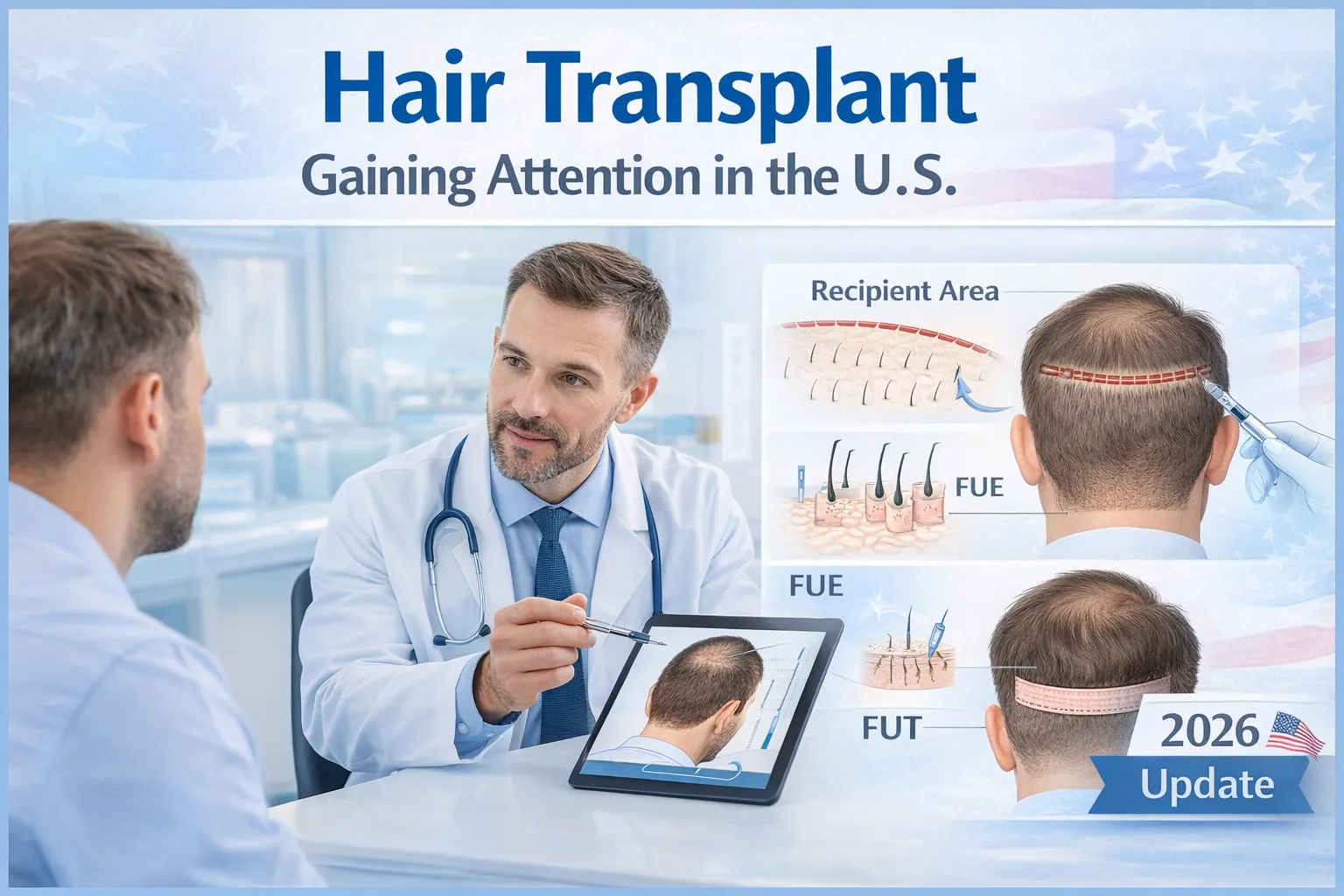
Hair Transplant Procedures
These involve relocating hair follicles from one area of the scalp to another. Modern techniques aim to achieve natural-looking results with minimal scarring.
Common methods include:
- Follicular Unit Extraction (FUE)
- Follicular Unit Transplantation (FUT)
Factors to Consider When Exploring Options
Choosing a hair restoration approach involves multiple considerations:
- Extent and pattern of hair loss
- Age and overall health
- Treatment goals and expectations
- Budget and long-term commitment
- Professional medical guidance
No single solution is suitable for everyone, and outcomes may vary depending on individual conditions.
Setting Realistic Expectations
Hair restoration is typically a gradual process. Results may take time, and consistency is often key when following any treatment plan. It is important to approach solutions with informed expectations and an understanding that outcomes differ from person to person.
When to Seek Professional Advice
Consulting a qualified professional can help:
- Identify underlying causes
- Recommend appropriate options
- Monitor progress over time
Early evaluation may provide more options and improve potential outcomes.
Conclusion
Hair loss solutions have evolved significantly, offering a variety of approaches tailored to different needs and preferences. From topical treatments to advanced clinical procedures, understanding these options can help individuals make informed decisions.
Exploring hair restoration is a personal journey, and gaining clear, unbiased knowledge is an important first step toward choosing the approach that aligns best with individual goals.